Why is a pedicure especially important in the summer?
It’s in the summer that a pedicure becomes not just a beauty treatment, but a real necessity. While in winter most imperfections on the feet are hidden by socks and closed-toe shoes, during the warmer months your feet are constantly on display. Open-toed sandals, beach vacations, and walks around town make the condition of your feet noticeable to those around you. That’s why, in the summer, well-groomed feet become just as important a part of your look as a manicure, hairstyle, or makeup.
Feet are subjected to significantly more stress in the summer
Hot weather, long walks, and open-toed shoes put extra strain on the skin of your feet. In the summer, people walk more, travel, visit beaches, and spend a lot of time outdoors. As a result, the skin becomes rough more quickly, and calluses and dryness develop.
These problems are especially common among those who wear sandals with thin soles or spend a lot of time on their feet. Dust, sun, and constant friction gradually dry out the skin, making it less smooth and well-groomed. Without regular pedicures, even beautiful summer shoes won’t be able to hide these imperfections.

Bare feet always attract attention
In the summer, we may carefully select our clothes, accessories, and manicures, but it’s often the details that define a put-together look. Well-groomed toenails, smooth heels, and a beautiful polish create the impression of someone who truly takes care of themselves.
A pedicure becomes especially important before a vacation, a trip to the beach, weddings, photo shoots, and other summer events. After all, it’s during this time that your feet are constantly in the frame and become part of your overall look.
Beyond aesthetics, regular pedicures help maintain comfort. Neatly manicured toenails and well-cared-for foot skin significantly reduce the risk of discomfort while walking, even on hot days.
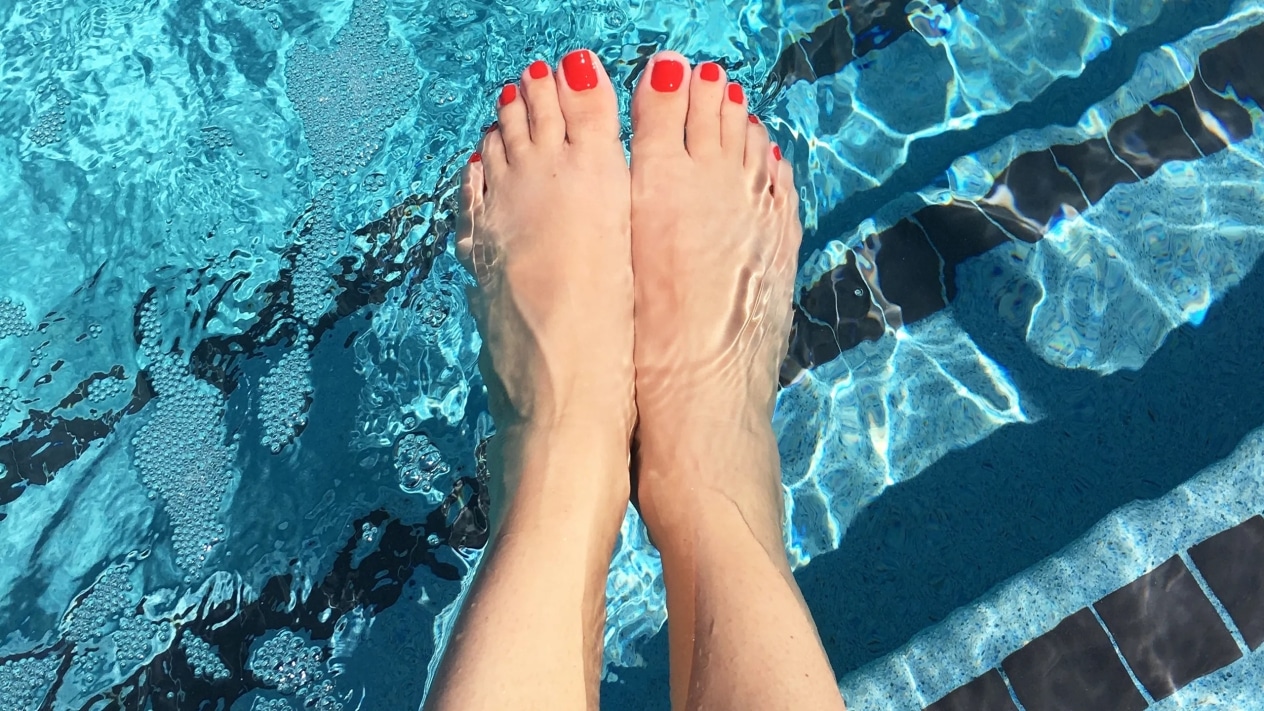
A pedicure helps prevent summer foot problems
Summer is the season when dry skin, cracked heels, and calluses appear much more quickly. A regular professional pedicure helps remove rough patches of skin in a timely manner and keep your feet healthy.
During the procedure, the technician not only shapes the nails but also works on the skin of the feet, helping to prevent problems that can eventually cause discomfort or even pain. That’s why a pedicure in the summer isn’t just about beauty—it’s also about taking care of your own comfort.
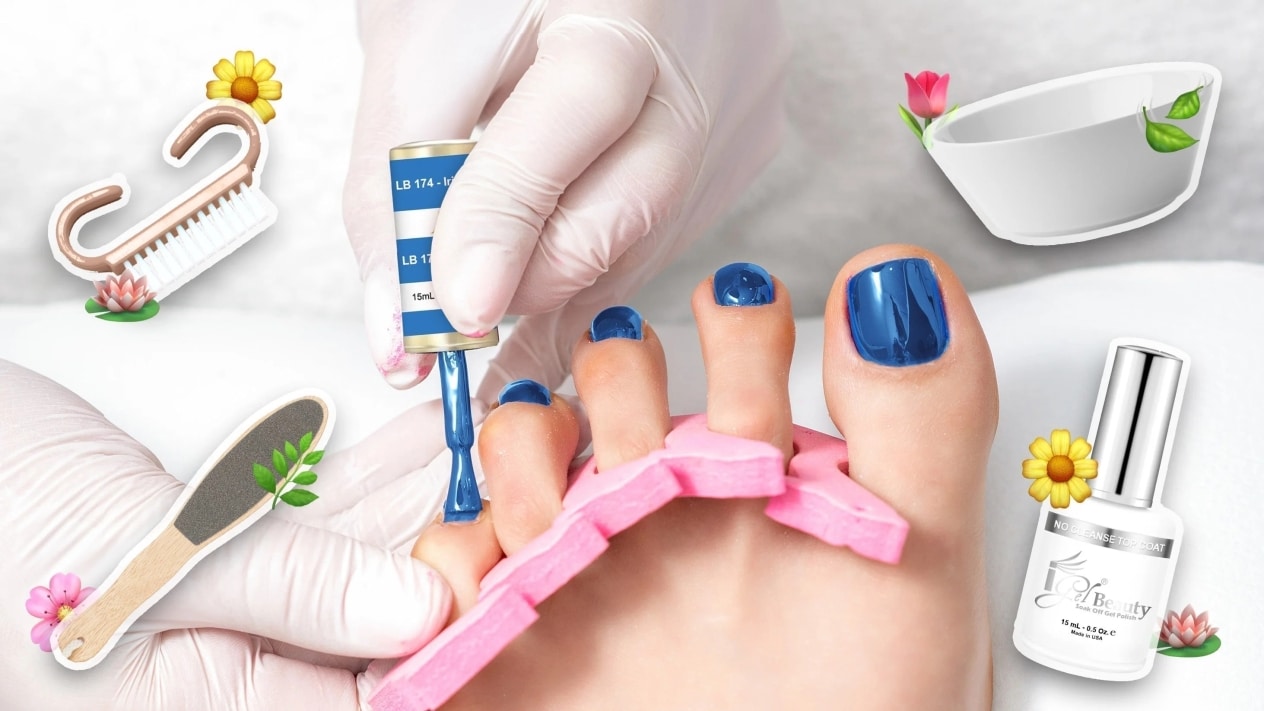
Conclusion
Summer is the season for open-toed shoes, travel, outdoor activities, and vibrant looks. It’s during this season that your feet bear the heaviest load and require special care. Regular pedicures help keep your skin smooth, your nails neat, and your feet beautiful and well-groomed all summer long. After all, self-confidence starts with the details.
Trending Nail Polish Colors for 2026
The world of manicures is constantly changing, but 2026 has brought a particularly interesting mix of trends. Natural, well-groomed, and understated elegance remain in style, yet at the same time, bright colors and bold accents are making a comeback. Modern manicures are no longer limited to a single popular shade—the main trend is the ability to choose colors that match your personal style, mood, and lifestyle.
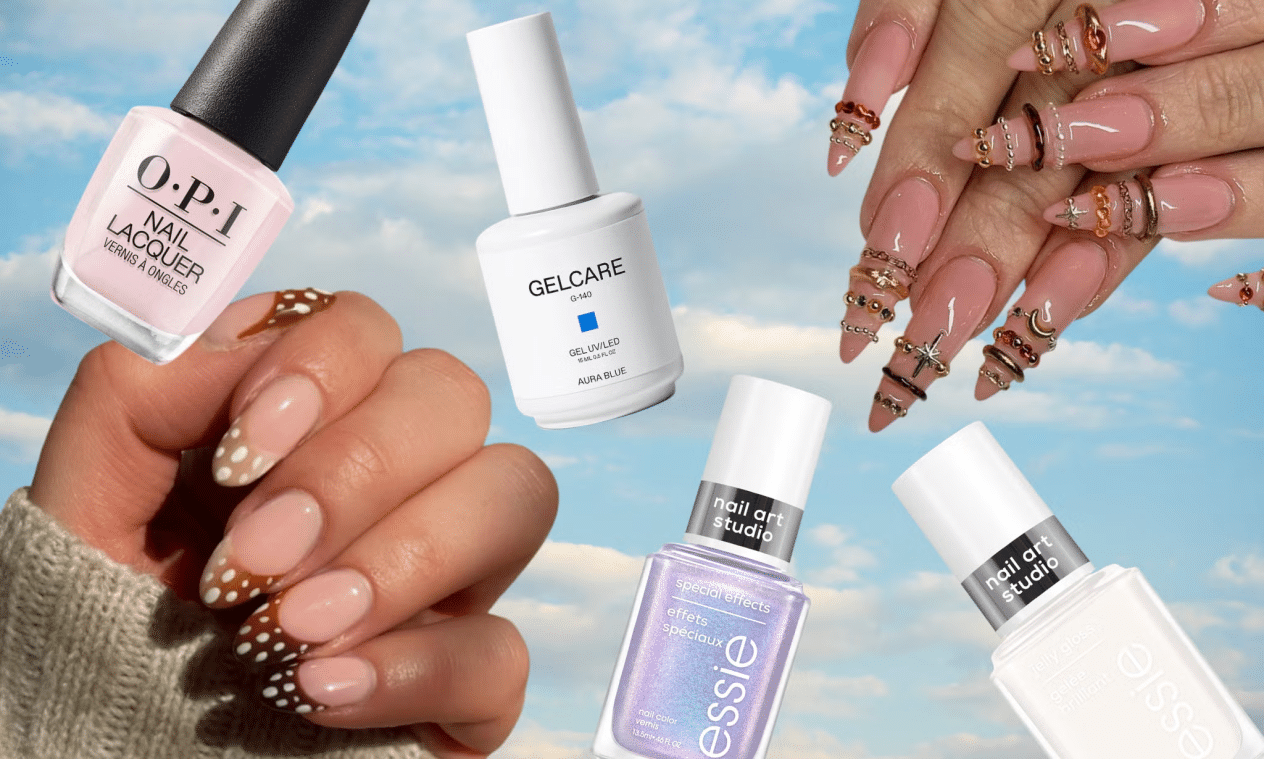
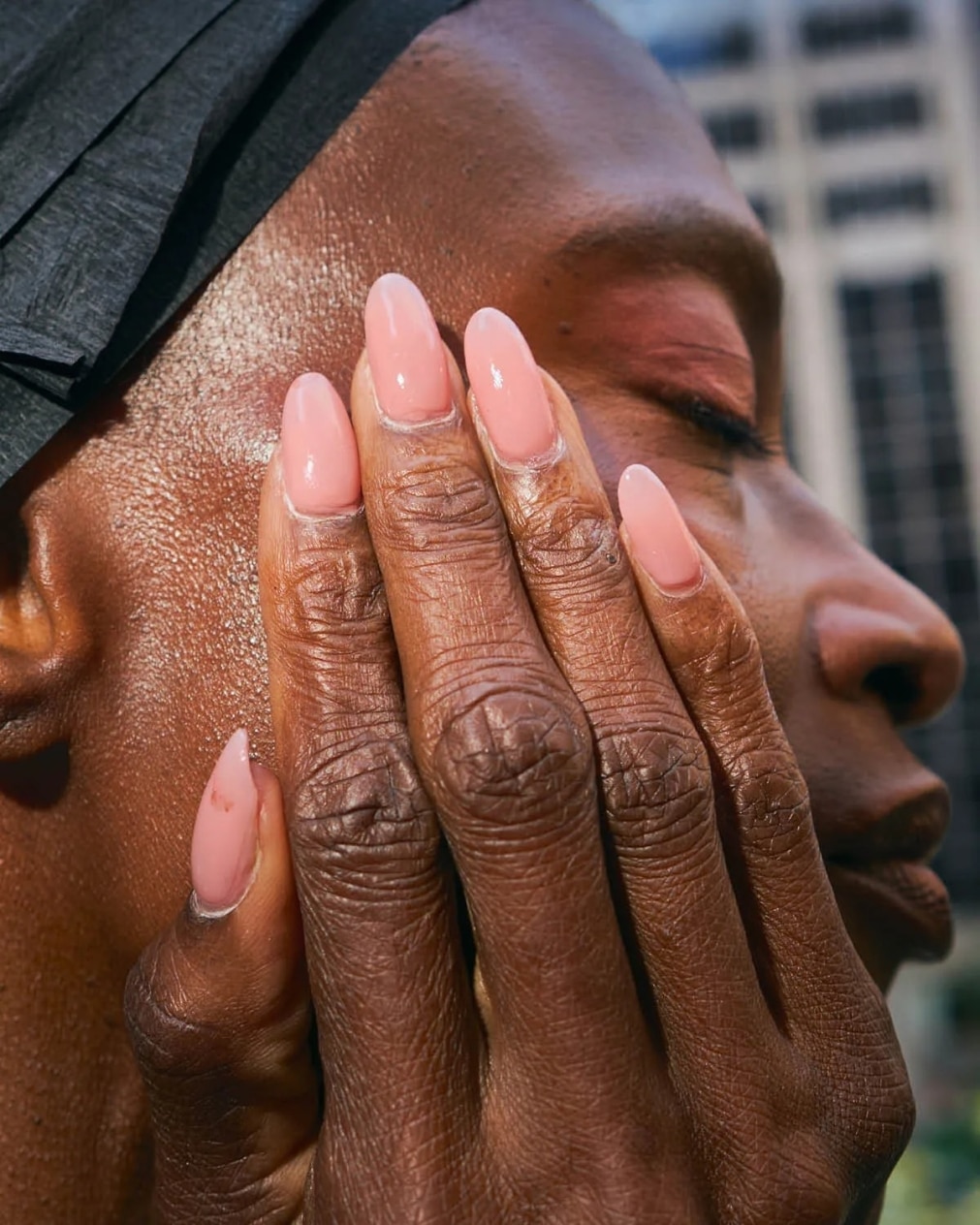
Natural Shades and the Well-Groomed Nail Look
Natural colors remain one of the main trends for 2026. Milky manicures, semi-transparent pink shades, a nude palette, and creamy colors continue to lead the way among beauty salon clients. These finishes look elegant, neat, and appropriate in any situation—from a business meeting to a festive event.
Shades that are as close as possible to the natural color of the nail have become especially popular. They create the look of healthy, well-groomed hands and pair perfectly with any wardrobe. That’s why the natural color palette remains one of the most versatile options for manicures.
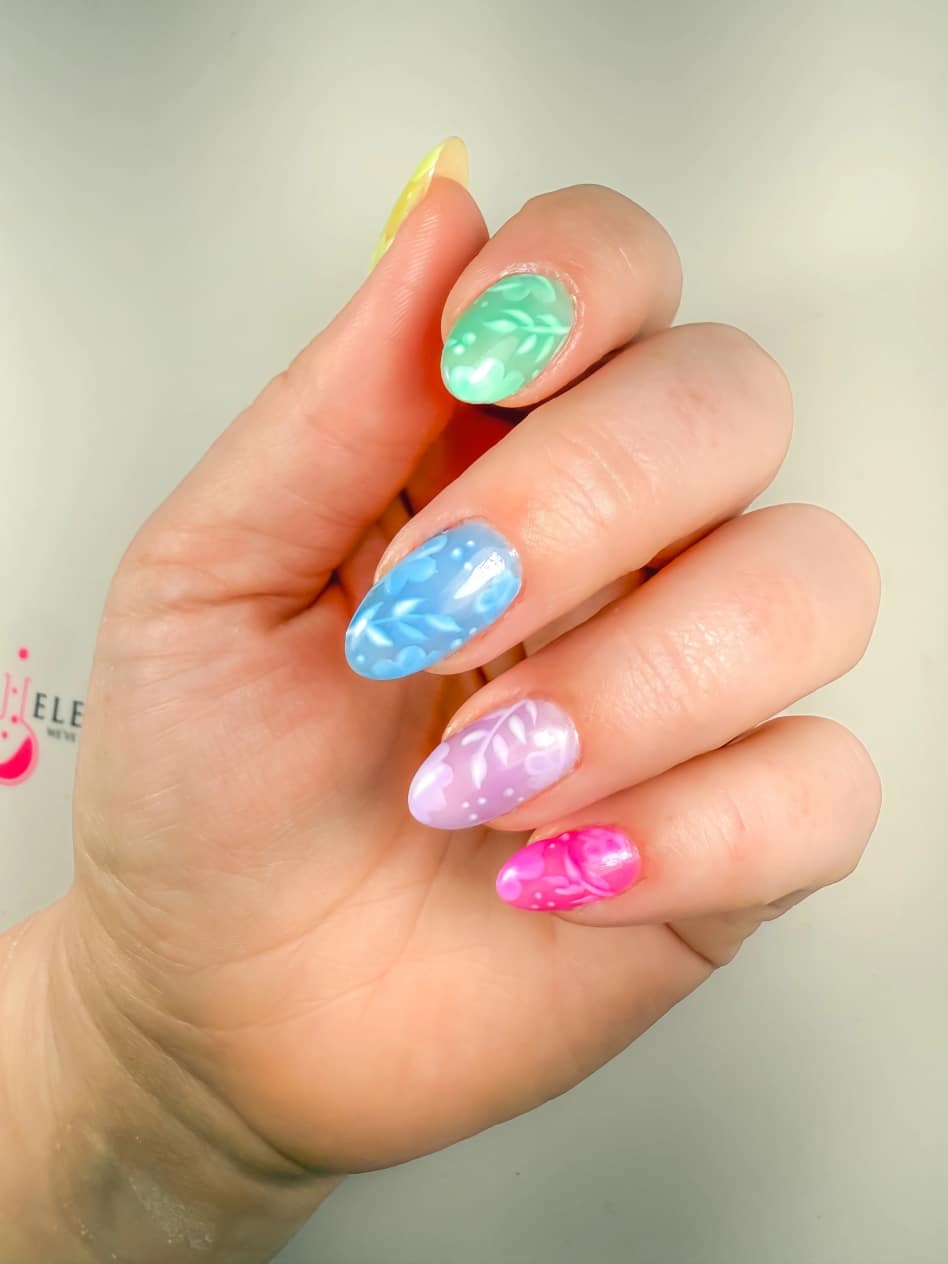
Bright Colors for Mood and Accents
Alongside minimalism, the trend toward bright colors is gaining momentum in 2026. Coral, rich reds, berry tones, and juicy pinks have become especially popular. They add energy to your look and are perfect for the spring-summer season.
Among the year’s unexpected favorites are shades of blue, turquoise, and green. While these shades were previously chosen mainly for vacations or holidays, today they’re increasingly appearing in everyday manicures. Muted olive and sage tones look particularly striking, combining vibrancy with sophistication.
Colored accents are also gaining popularity, where one or two nails stand out from the main color of the polish. This design makes the manicure more interesting without being overly flashy.
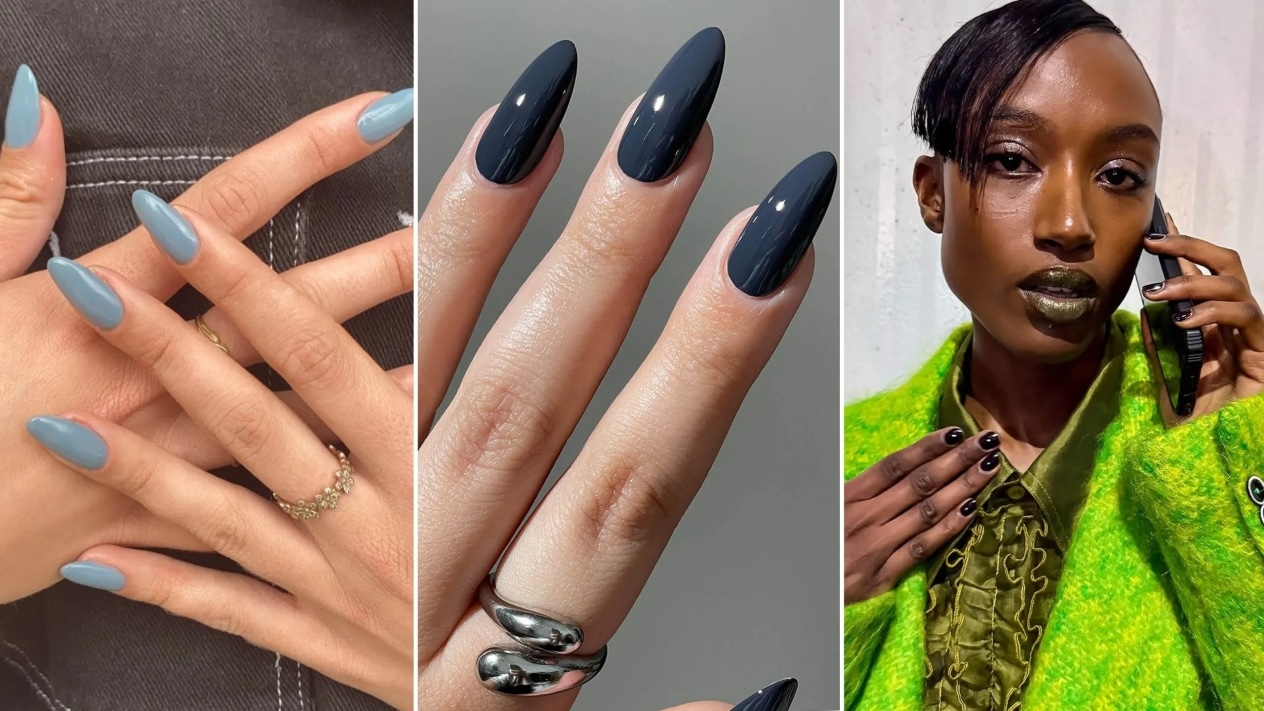
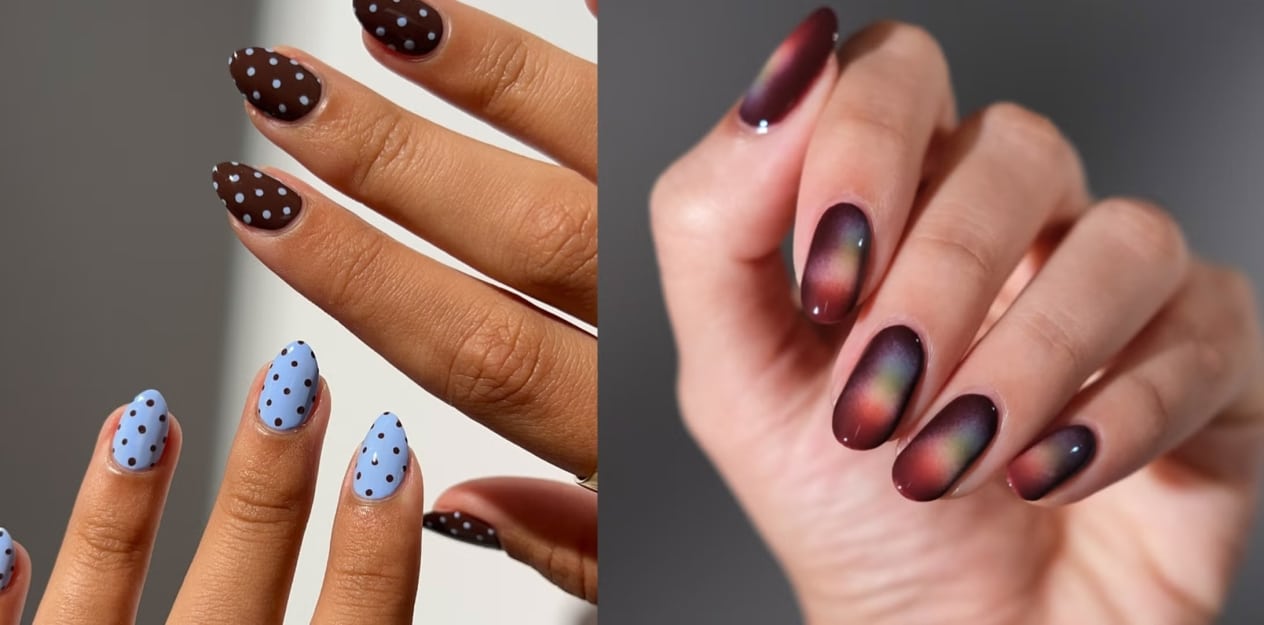
Deep, dark shades and metallic effects
For those who prefer more dramatic looks, burgundy, cherry, chocolate, and graphite colors remain on-trend. They look luxurious, accentuate the shape of the nails, and are perfect for the colder seasons.
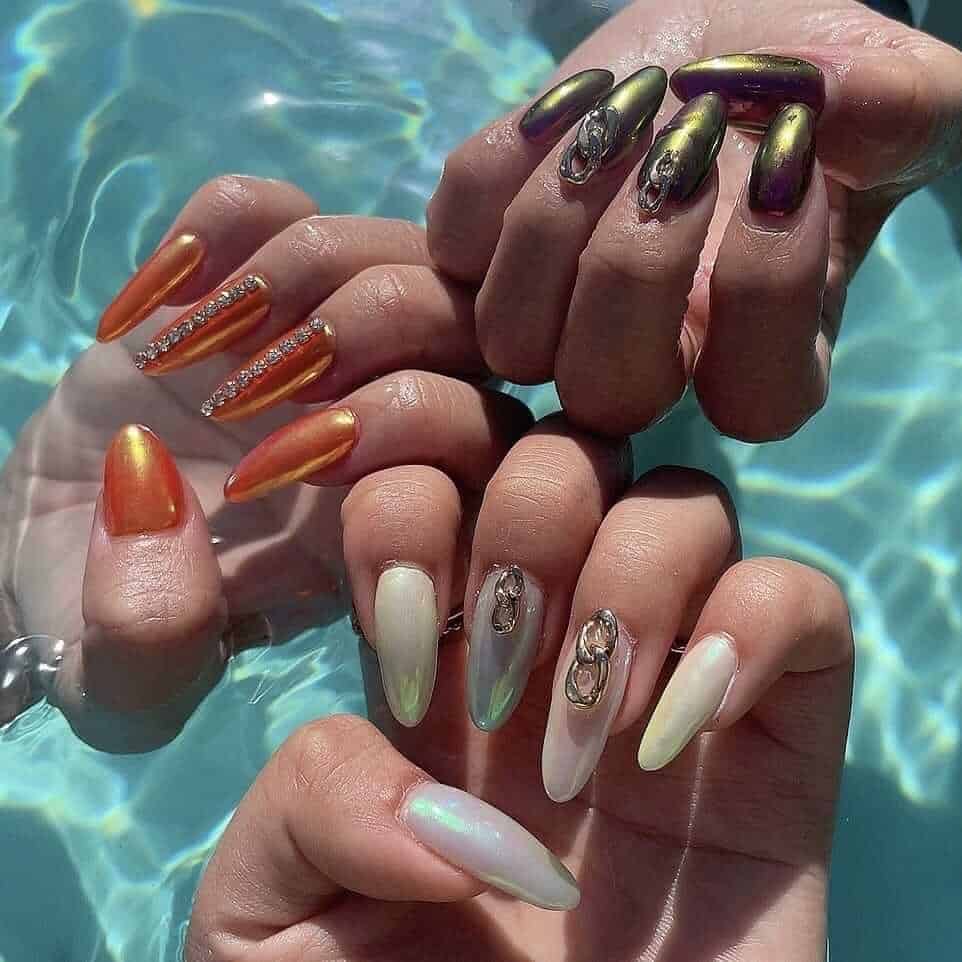
Metallic finishes and chrome effects have gained particular popularity. Mirror-like shine, pearlescent shimmers, and the “cat’s eye” effect allow you to create a modern manicure that catches the eye even without a complex design. These options are especially popular for festive looks or important events.
Conclusion
The 2026 manicure trends offer freedom of choice. Natural beauty—milky, pink, and nude shades—remains one of the main trends. At the same time, bright reds, corals, blues, and greens are making a comeback, adding freshness and character to your look. And for those who love bold choices, deep dark colors and metallic finishes are an excellent choice. The main rule for 2026 is that your manicure should be something you personally love and that harmoniously complements your style.
How to Grow Long, Strong Nails
Many women have tried to grow long nails at least once in their lives, but have run into the same problem: just as the nail starts to grow longer, it suddenly breaks or splits. After that, you have to cut off the entire length and start over. In reality, the speed of nail growth depends only partly on genetics. Care, nutrition, daily habits, and proper manicure have a much greater impact. If you provide your nails with the right conditions, they can become much stronger, healthier, and reach the desired length faster.
Why do nails break and fail to grow?
Before looking for ways to speed up nail growth, it’s important to understand why they break. In most cases, the problem isn’t that nails grow slowly. They’re simply constantly getting damaged before they have a chance to grow long enough.
One of the most common causes is constant contact with water and household chemicals. Detergents, cleaning products, and even frequent handwashing gradually dry out the nail plate. It loses its elasticity, becomes brittle, and starts to split.
Another problem is the improper use of nails in daily life. Many people use their nails to open jars, pry off lids, peel off stickers, or use their nails as tools. Such stress creates microcracks, which over time lead to serious damage.
Other contributing factors include vitamin deficiencies, an unbalanced diet, stress, lack of sleep, and certain medical conditions. The body always prioritizes nutrients for vital organs, so nails are often the first to show signs of deficiency.
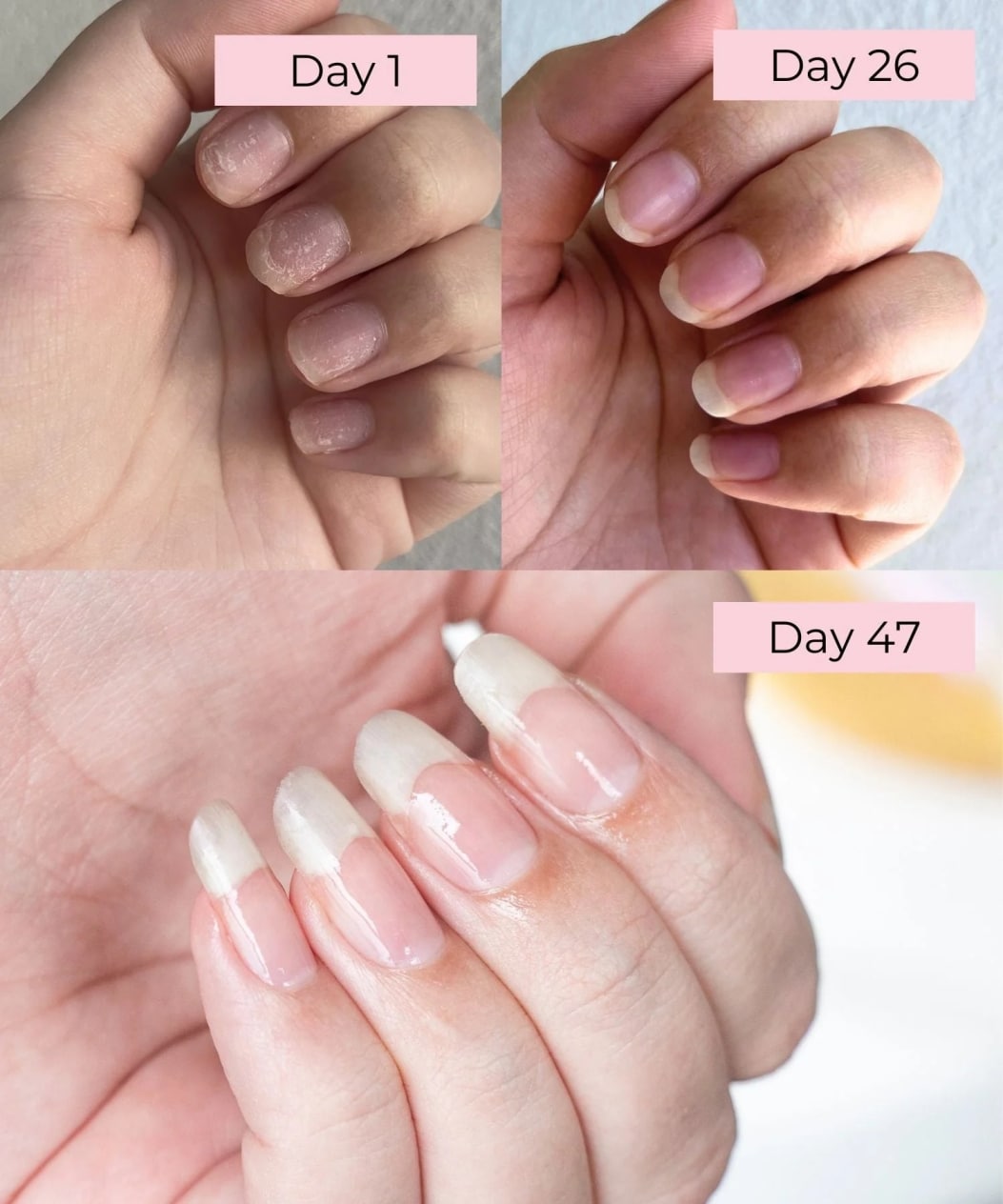
What helps nails grow faster and become stronger?
The average nail growth rate is approximately 2–4 millimeters per month. It’s impossible to drastically change this rate, but you can create conditions under which your nails will grow healthy and won’t break.
First and foremost, you should regularly use cuticle oil. The cuticle area is where the nail matrix is located—the part of the nail where the new nail is formed. Moisturizing and massaging the area improve blood circulation and promote healthy growth.
Getting enough protein in your diet plays an important role. Nails are composed mainly of keratin, which is a protein. If the body doesn’t get enough protein-rich foods, the structure of the nails can deteriorate. It’s also helpful to ensure you’re getting enough iron, zinc, magnesium, B vitamins, and omega-3 fatty acids. Maintaining proper hydration is equally important. Dehydration affects not only the skin but also the condition of your nails. They become dry and more prone to splitting.
For those actively growing out their nails, it’s helpful to use protective base coats or strengthening top coats. These create an extra barrier against external damage and help your nails safely transition from short to your desired length.
What mistakes should you avoid?
One of the main mistakes is aggressive nail buffing. Excessive use of a buff gradually thins the nail plate, causing it to become weak and brittle.You should also avoid removing gel polish yourself by peeling or scraping it off. When you remove the polish, the top layers of the nail often come off with it, which significantly worsens the nail’s condition. Removal must be done correctly and carefully.
Another common mistake is filing your nails in different directions. This causes micro-damage along the edge of the nail and leads to splitting. Manicurists recommend filing in one direction to create a smooth, even free edge. Many people also forget to wear gloves while cleaning or washing dishes. In fact, this is one of the most effective habits for maintaining healthy nails.
Does a professional manicure help your nails grow?
Yes, a high-quality professional manicure can significantly facilitate the process of growing out your nails. The nail technician’s main task is not just to create a beautiful design, but to ensure the nail’s proper structure and protect it from mechanical stress.
During the nail-growing process, strengthening bases, gels, or other materials are often used to help distribute stress evenly across the nail plate. This significantly reduces the risk of cracks and chips.
In addition, regular visits to the salon allow for timely adjustments to the shape of the nails, the repair of minor damage, and the maintenance of their well-groomed appearance. That is why many women are able to grow long, beautiful nails much faster under the guidance of an experienced technician than through their own experiments at home.
Conclusion
Long and strong nails are the result not of a single magic remedy, but of a comprehensive approach. Protection from household chemicals, a balanced diet, regular cuticle moisturizing, a careful manicure, and gentle care for your nails can dramatically improve their condition. If you combine at-home care with a professional manicure, the path to beautiful, long nails will be much shorter and more enjoyable.
Tools that a manicurist must have in [year]
Professional manicures require a wide range of materials and tools to ensure high-quality results. To ensure that clients choose you, you need to think in advance about what you can offer and equip yourself with the latest products in the nail industry. Manicure is a creative and technical profession, so you should equip your work area with professional equipment.
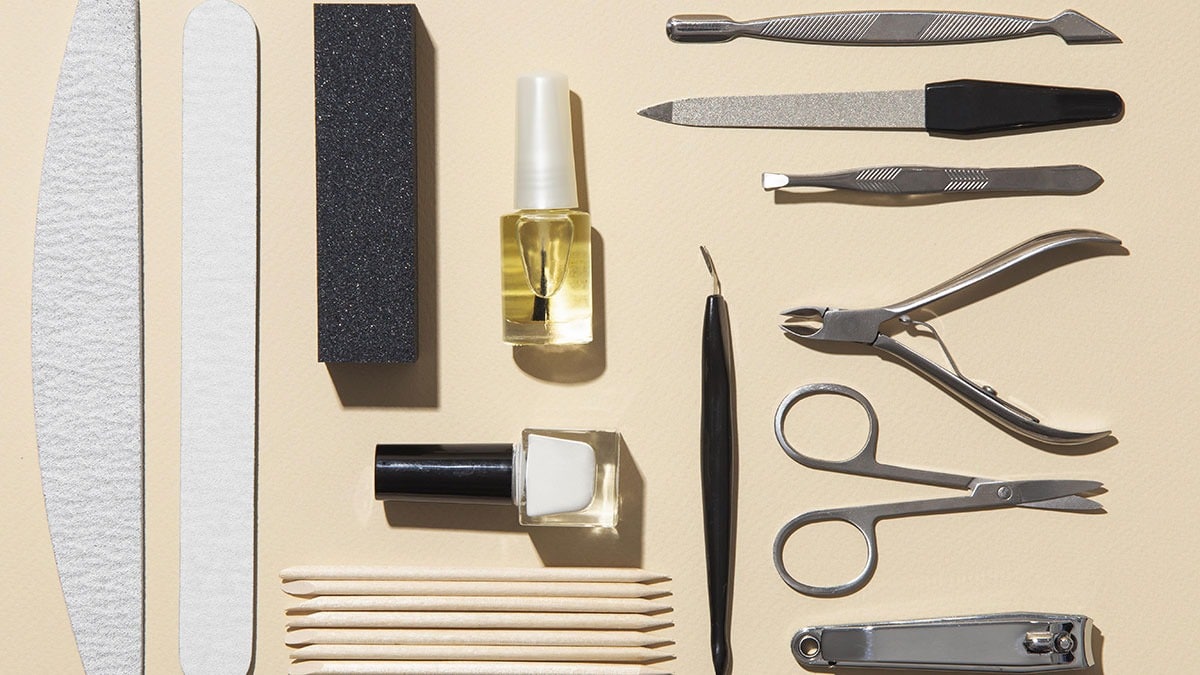
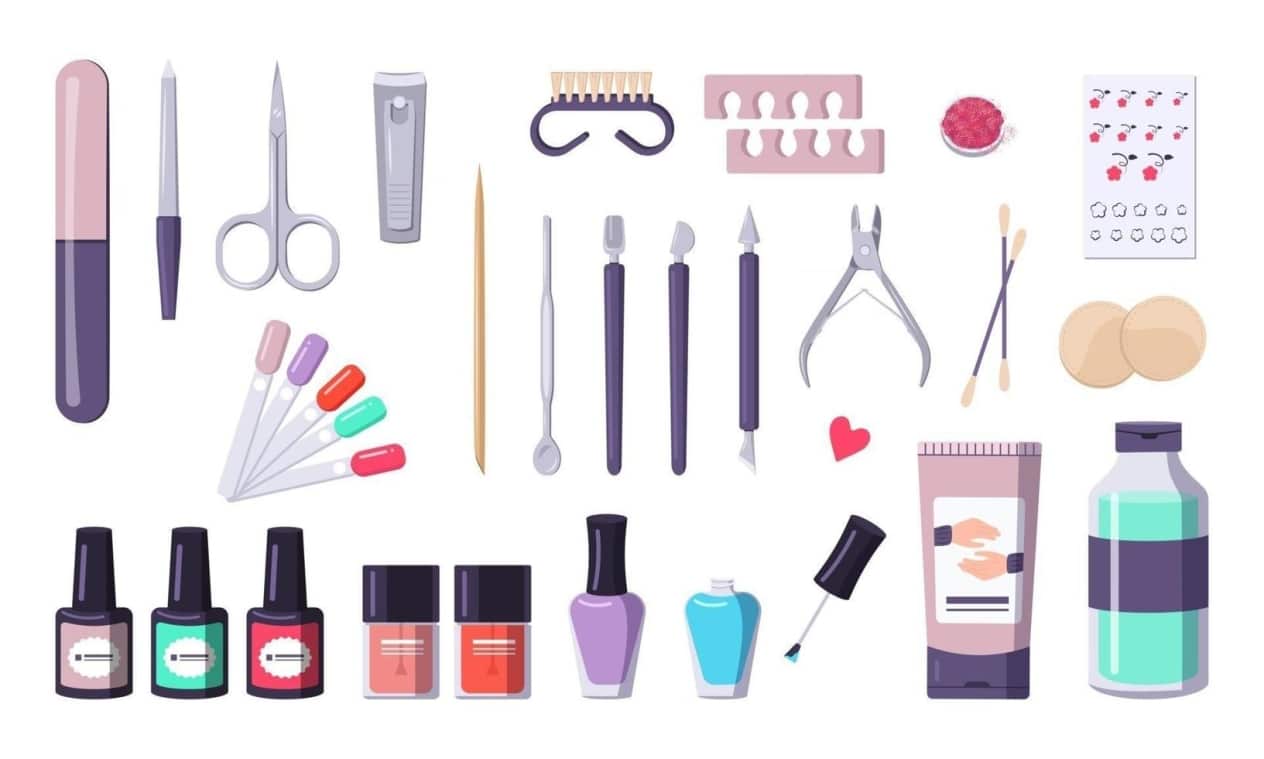
Essential tools and materials for professional manicures
A manicurist’s office always has a wide variety of equipment and materials, because the greater the choice of products, the better you can satisfy the customer’s request. New technologies in the nail industry can fulfill any customer’s wishes.
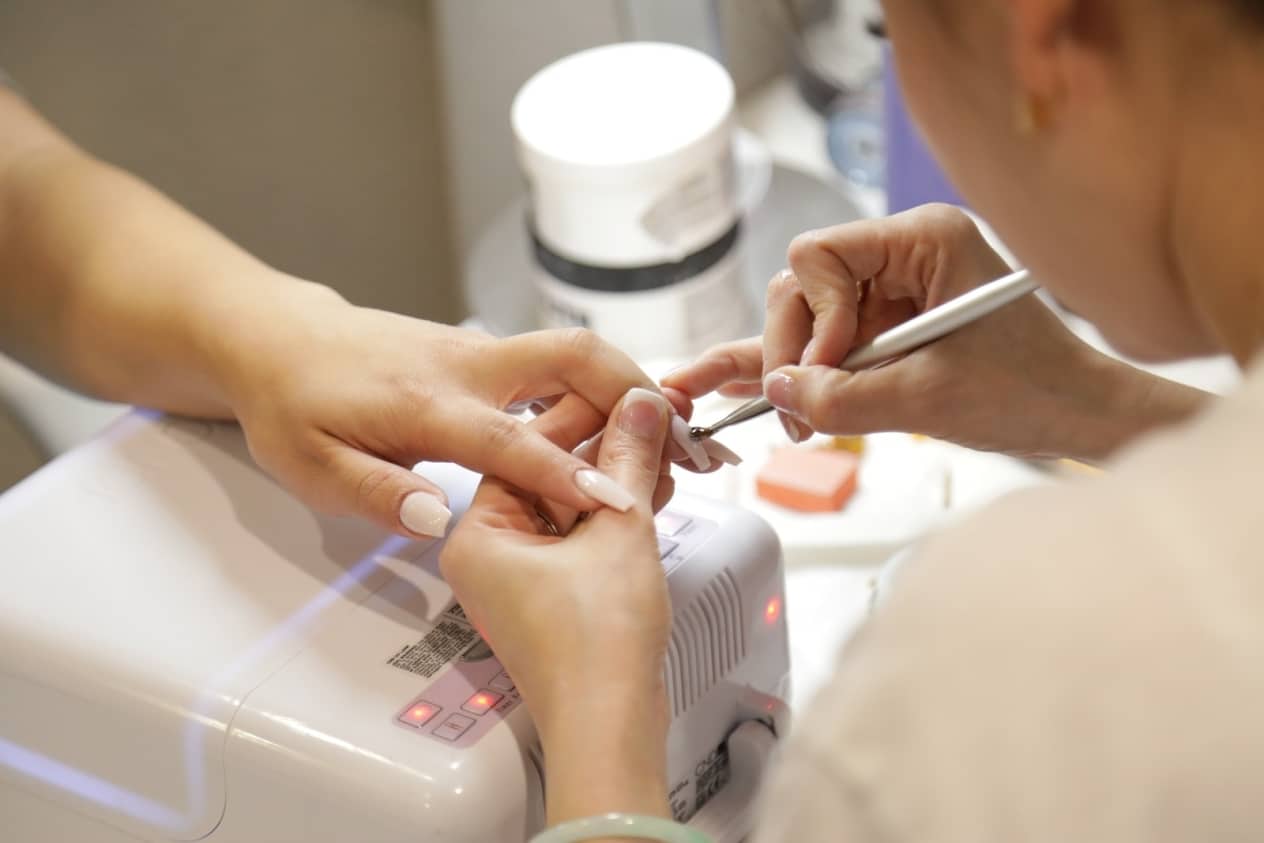
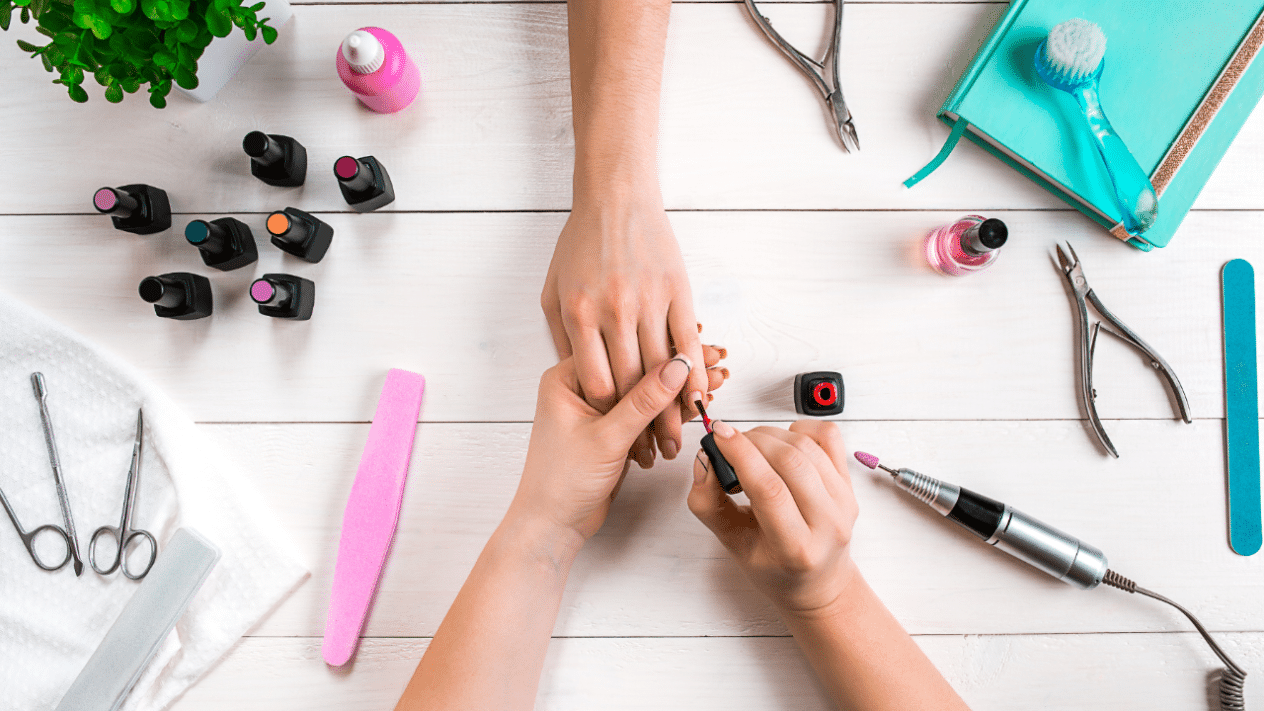
There are different types of manicures: classic, hardware, European, Swiss, hot, etc. Regardless of the type of manicure, a technician must have a basic set of tools in their arsenal. The basic set includes: cuticle scissors and nail scissors, a set of nail files, clippers, tweezers, cuticle pushers, and grinding blocks. A manicure machine with various types of coating cutters is also necessary. Cutters can be reusable or disposable. Reusable bits: diamond, carbide, ceramic, and grinding bits are used to treat nails and skin and remove nail polish, gel, and acrylic residue. They come in various shapes and can be reused after sterilization. A disposable attachment is a sand or silicon carbide grinding cap, which is used for gentle skin treatment and is placed on a rubber or metal base. It is discarded after use.
A lamp is required to cure the polish on the surface of the nail plate. Lamps are classified according to their light structure:
- Ultraviolet. These are the most affordable option on the market. They dry the coating in 2-3 minutes.
- LED lamps (light-emitting diode) are compact. They are small in size, and you can remove your dried nails in half a minute. The disadvantage of this model is its limited use.
- Combined lamps. The best option, sufficient for a long period of time and quickly dries nails.
There is also a basic set of materials and products that the technician uses for the client. This includes:
- Primer — a liquid substance necessary for removing grease and drying the nail. There are two types: acidic and non-acidic. Technicians choose an acid-free primer at the beginning of their work. It temporarily changes the acid balance of the nail, and if you use more acid than necessary, you can damage the surface of the nail plate. Non-acid — indicated on jars with acid-free primer.
- A nail base is a gel coating that is applied to the nails after degreasing the nail plate with a primer. There are several types of bases on the market: rubber, silicone, camouflage, and acrylic bases.
- Gel polishes are gel-based materials that harden when heated with a lamp. Gel polishes come in various colors and with interesting elements.
- Top coat is the final step in securing the beauty of the nail. There are different types of top coats, depending on the client’s wishes, giving a matte or glossy shine, a holographic effect, or a shiny finish.
- Solutions for removing gel polish.
- Antiseptic materials.
Also, to create an unusual design on the nail, you need to stock up on rhinestones, stencils, glitter, foil, sliders — special stickers with designs, a set of various powders, etc. An airbrush can be used to create a complete picture on the nails.
To ensure the sterility of manicure tools, a dry heat cabinet or steam sterilizer is used. In a dry heat cabinet, bacteria are destroyed by high temperatures for 30 minutes to 2 hours. Steam sterilizers are more expensive, gentler on metal instruments, and clean tools with steam in 30 minutes.
Manicurists must also take care of themselves, as dust is released during the work process. It is recommended to purchase a manicure hood, a charcoal mask, and special glasses.
Tips for choosing quality products
- Almost all manicure tools are metal, so it is necessary to choose instruments made of medical hypoallergenic alloy.
- It is recommended to choose professional manufacturers that have their own service centers. If the device breaks down, there is a place to take it for repair. Some of the best Ukrainian brands are “OLTON” and “STALEKS.”
- High-quality materials and tools cannot be cheap. Therefore, more expensive products should be a priority.
- Before buying expensive equipment, it is recommended to read reviews on the Internet and ask friends for their opinions. This will save you from regretting your purchase later.
Overview of new products on the nail industry market
Year after year, the emphasis is on environmental friendliness and minimalism. In 2025, companies introduced new bases with improved adhesion and protection, while minimizing the use of harmful elements. Oriflame highlighted gels with a clean composition, using eco-friendly ingredients. Interestingly, even without chemicals, the shine lasts up to 14 days. The brands Catrice, KIKO, and Yves Rocher share a common trend: maximum effect with a minimum of ingredients. The concept of “clean beauty” has taken the nail industry by storm. Manufacturers have developed bases, tops, and polishes with natural oils, antioxidants, and sometimes even SPF protection. The promotion of vegan lines will allow nature lovers to feel safe.
So, in order to do what you love—manicures—you need not only creative vision and creative potential, but also a set of tools and products. After purchasing materials and equipment for your salon, you should keep an eye on new products in the nail industry. If you are aware of the latest trends, you can offer your clients popular, fresh, and eco-friendly manicures. This will make the procedure enjoyable for both you and your clients.
Japanese manicure
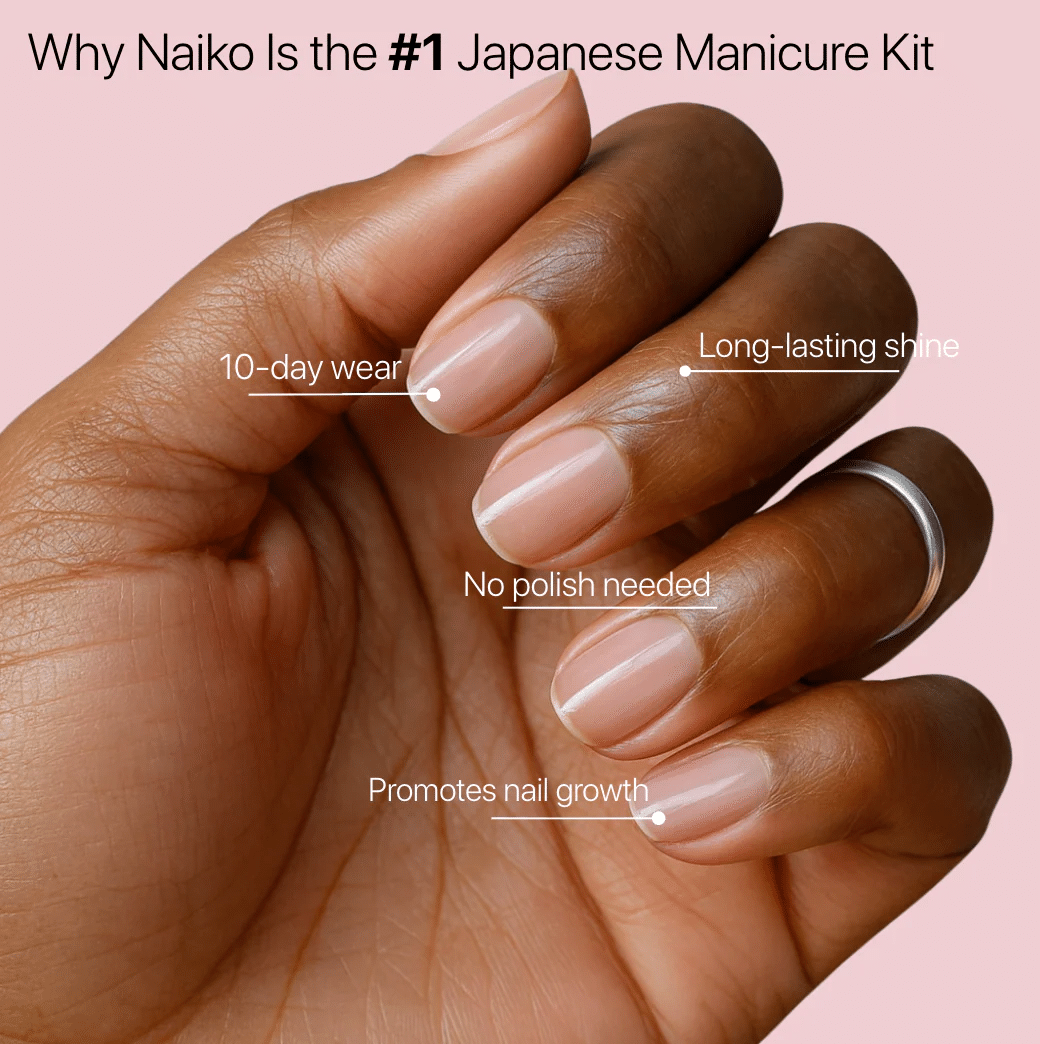
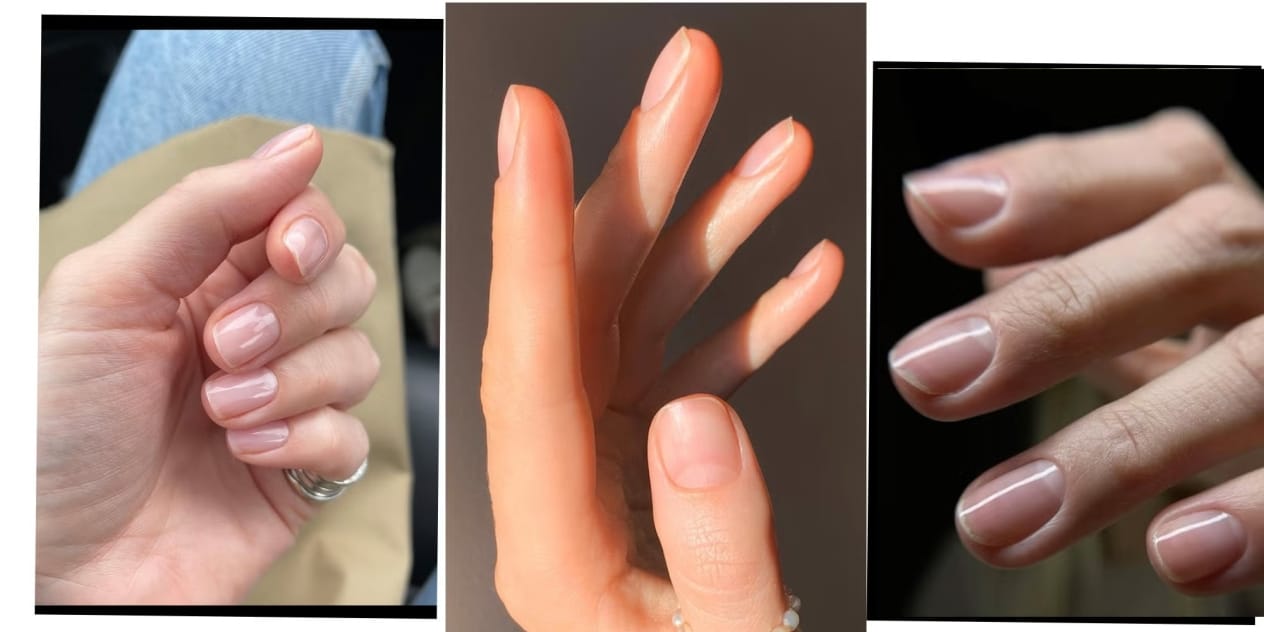
Modern beauty trends are changing rapidly, but how can we find a balance between beauty and health? Japanese manicure is a special nail care technique that focuses not only on beauty, but also on the healthy, restored appearance of the nail plate. “This is a story about a trend that has transformed into a lifestyle—green, healthy, natural,” notes Victoria Kolodiy, founder and creative director of the MVK chain. The procedure is called permanent nail glossing or biomaniquior, because only natural and safe products are used during the manicure: panthenol, glycerin, vitamin and mineral complexes, essential oils, and beeswax-based paste and powder. Orange sticks and nail files made from calfskin are used during the procedure; no metal cutting tools are used.
If you prefer natural products, then Japanese manicure is for you.
The main goal of a Japanese manicure is to restore and preserve the nail plate without aggressive chemical effects, using only natural extracts and the techniques of a specialist.
No nail polish or gel is used during the procedure, only environmentally friendly materials. The absence of harsh substances helps to restore brittle and weakened nails. Natural vitamin ingredients normalize metabolic processes in the structure of the nail plate. It becomes stronger, grows faster, and acquires a natural healthy shine. You get healthy, strong nails with a natural beautiful shine.
Japanese manicure technology
It is extremely important to perform all the steps of a Japanese manicure correctly, not only to admire the beauty of your hands, but also to start the regeneration of cuticle cells and the restoration of the nail plate.
- Preparation and cleaning of the cuticle. The condition of the nails is assessed, and a bath with nutrients is prepared. To achieve maximum softening of the cuticle, the master performs a massage with natural oils. Excess skin is removed with natural buffers and orange sticks. After cleaning, a moisturizing oil is applied to the cuticle.
- Restoration and protection of nails. Once the skin and nails have been cleaned, a strengthening paste consisting of natural ingredients such as beeswax, minerals, proteins, and vitamins is applied to nourish and restore the nails. The paste is rubbed into the surface of the nail plate and the surrounding skin using a buff. This process saturates the nails with vitamins and minerals and strengthens their structure.
- Polishing. After the hands have absorbed the nourishing paste, the nail plate is sealed. The specialist applies pearl powder or diatomaceous clay with wax to create a protective film on the nail surface. This step locks in nutrients and gives the nails a beautiful natural shine. Natural nail polish can be applied. Sealing creates a dense, glossy effect and prevents nail delamination.
- Additional care. For complete nirvana, the final stage can be a massage with special bags of hot or chilled sand to improve blood circulation in the tissues and the application of therapeutic creams and oils.
Masura and P-Shine are the most popular types of Japanese manicure.
There are two main types of Japanese manicure that have spread throughout the world. The procedures are similar in their philosophy but have some differences in execution. Manicurists use a Japanese manicure kit, which includes orange wood sticks, soft buffers made of natural suede, and balsa wood nail files. The procedure takes from one to one and a half hours. The techniques are aimed at natural, deep restoration of the nail plate.
Let’s look at the main differences between the Masura and P-Shine manicure techniques.
- The P-Shine technique is aimed at deeper polishing of the nail plate, while Masura is a more delicate technique. The P-Shine technique involves polishing the nail plate with coarse buffs and then with finer ones.
- The Japanese Masura manicure emphasizes hand massage using natural essential oils, while P-Shine emphasizes steaming the hands in a bath, followed by a light massage.
- The Masura technique uses pearl powder and nail polish to “seal” the nails, while the Japanese P-Shine manicure uses diatomaceous earth and natural beeswax. Pearl powder not only strengthens the nails, but also hides minor imperfections such as cracks and unevenness. The polish is made from gelatin and contains extracts of seaweed, calcium, and rock salt. Diatomaceous earth helps strengthen nails and increase their resistance to damage.
- The P-Shine technique is a more professional system that involves the use of special gel products, applicators, and an ultraviolet lamp.
How long does the effect of a Japanese manicure last?
A Japanese manicure has a lasting effect. Your nails will look healthy and natural for up to 3-5 weeks. However, the characteristics of your body and therapeutic goals may require more frequent visits to the manicurist. The technique has a therapeutic effect, so if the procedure is performed for restorative purposes, it is worth getting a manicure every 2-3 weeks. The cumulative effect helps to achieve a healthy, radiant appearance.
Why is it worth trying?
The Japanese manicure technique has a profound healing effect on the nails, and no additional vitamins are required to maintain a healthy appearance. There are no contraindications, and it can be used by pregnant women. Due to the lack of nail polish shine, the appearance is ideal for men. It is convenient to use this procedure before traveling, as it eliminates the possibility of polish chipping and the need for correction. This is the most gentle and mild method of nail care, which does not mask imperfections but helps to combat them.
Manicure fashion trends [year]
1. Shape and texture — a new level of expressiveness
-
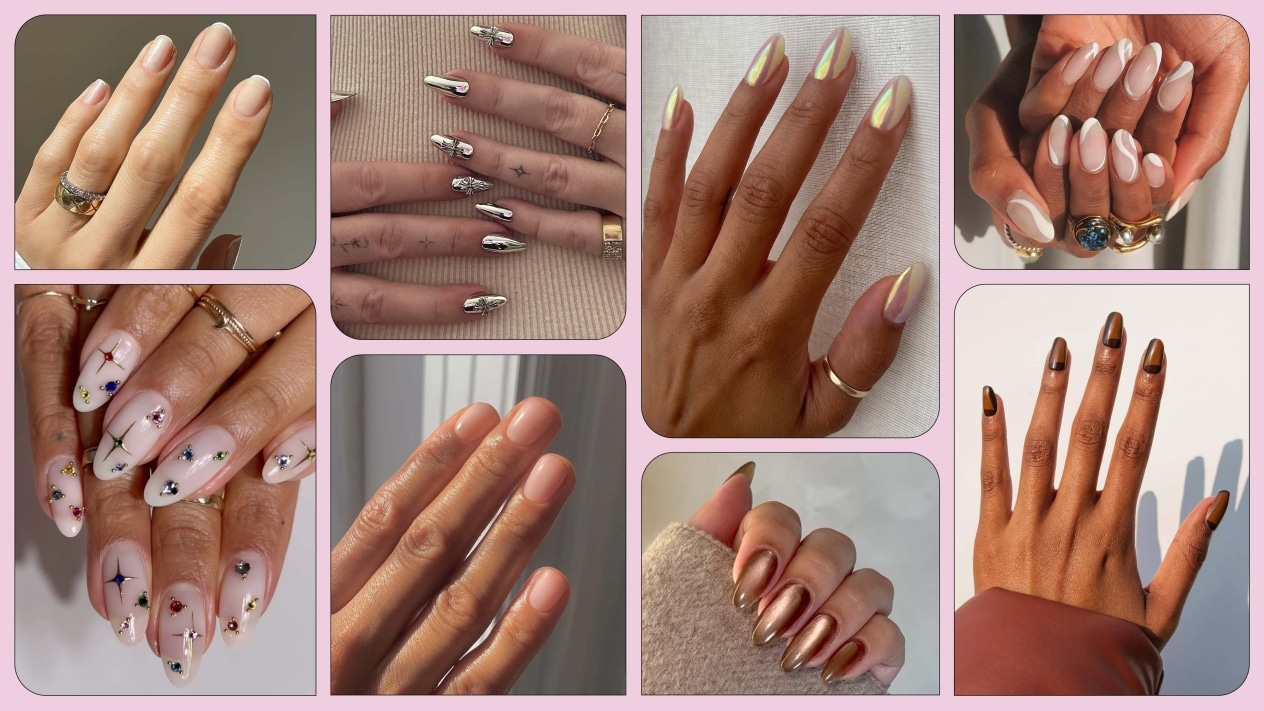
Oval and almond shapes. Oval (egg-shaped) and narrow almond-shaped nails remain among the most popular shapes in 2026 — they are elegant, versatile, and successfully emphasize a woman’s hands.
-
Squoval — a shape that combines a square with soft curves — is a trend that combines style and comfort. Short squoval nails are back in the spotlight thanks to their practicality without compromising on aesthetics.
-
Textured and dramatic coatings. Rich textures are in vogue: soap nails, Velvet Glass, metallic and chrome finishes, and the cat-eye effect, reminiscent of the shimmering glint of a cat’s eye.
2. Trendy colors — from natural to shiny
-
Mocha Mousse is Pantone’s official color of 2025. A warm, creamy coffee shade with a delicate undertone — elegance and understated luxury in the details.
-
Nude versions and natural shades — especially beige with cool pink, light gray-blue notes, caramel and poppy — have become the basis for classic manicures in a new interpretation.
-
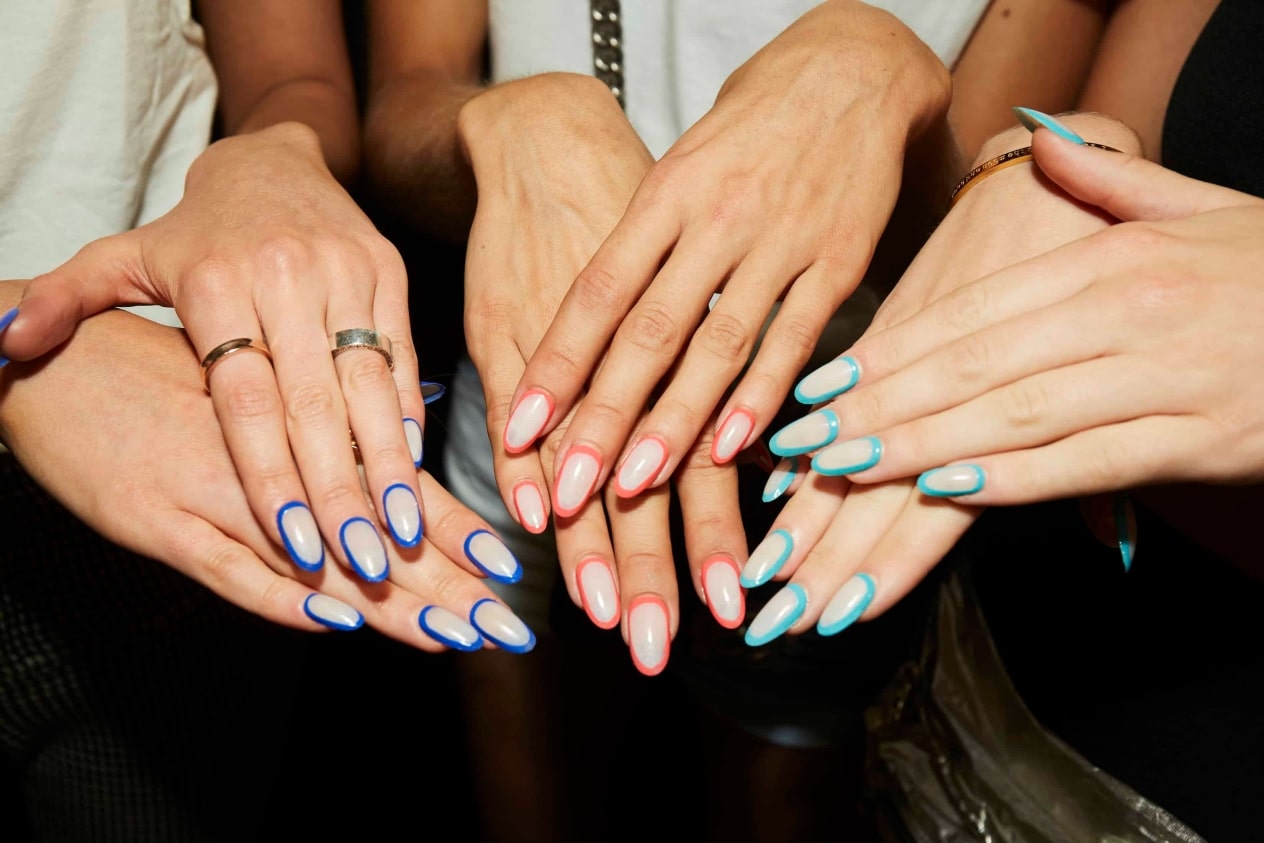
Bright accent colors — classic reds, deep cherries, Tiffany Blue, sea wave, light caramel, and grays with blue undertones — are trendy solutions for those who want brightness or a slight color contrast.
-
Innovative color textures—metallic glitter, iridescent coatings, salon shine, and bi-surface milky tones—add drama to classic colors.
3. Techniques and nail art — a balance between classic and creative
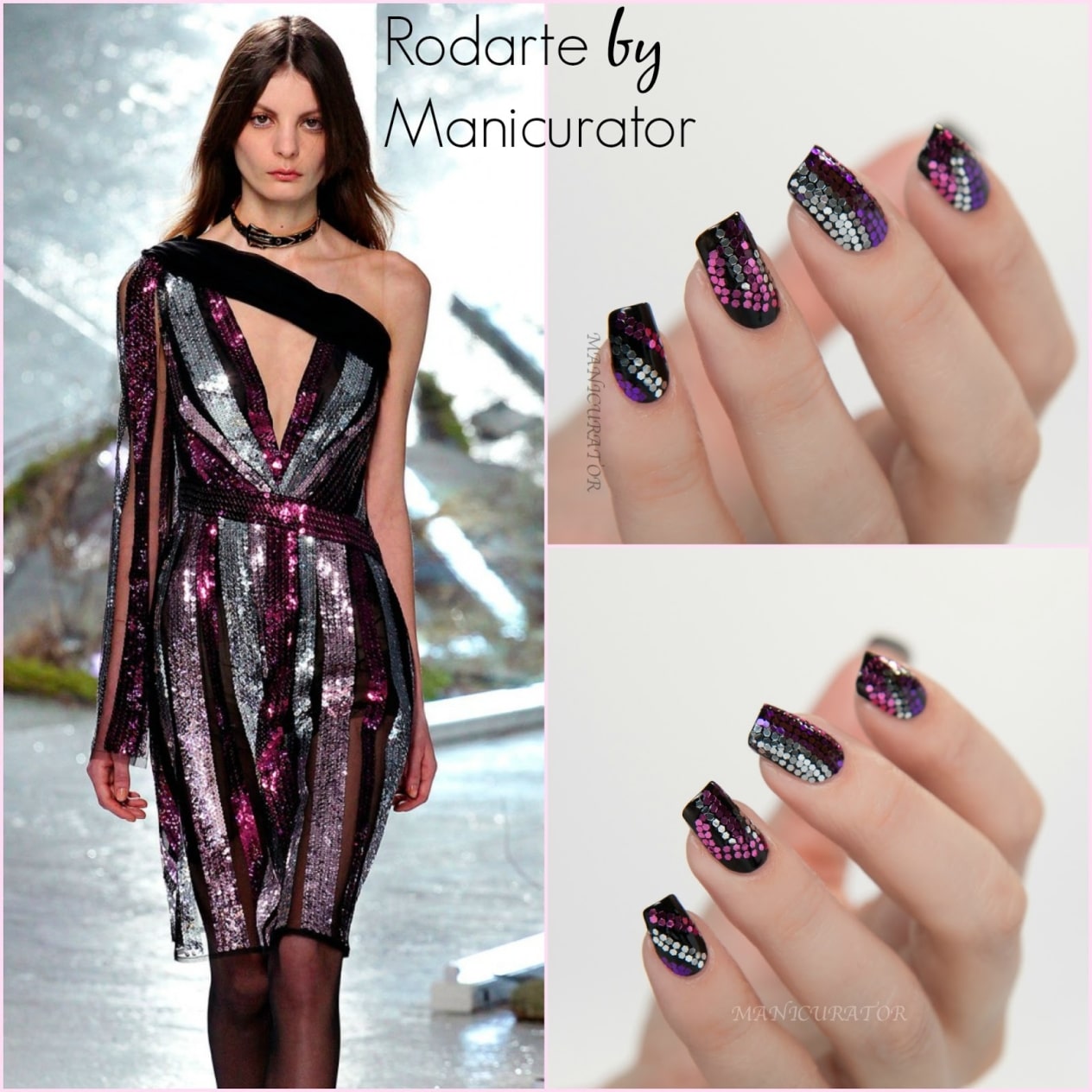
2026 is a time of combining naturalness and experimentation. One of the key trends is gradients and ombre, which allow shades to blend smoothly from light to dark. Both classic variations in pastel tones and bolder contrasts with neon colors are in fashion.
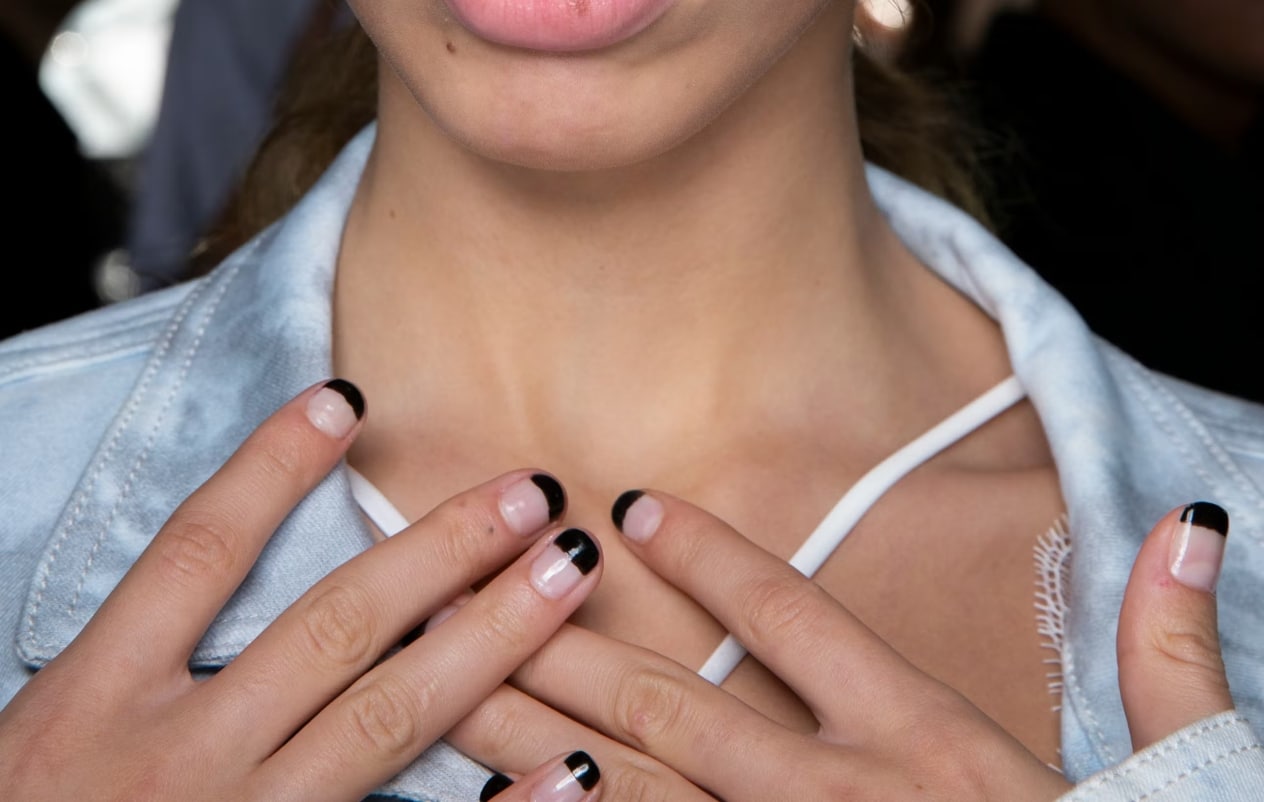
French manicures are back in the spotlight, but with a modern twist. Nail artists are offering colored, metallic, and even transparent nail tips instead of the classic white. Micro-French manicures have also become popular, with a thin, barely noticeable smile line, creating a neat and elegant look.
Chrome manicures and mirror coatings are also worth mentioning, as they add a futuristic effect. Velvet nails are particularly in demand — a manicure with a deep, soft shine reminiscent of fabric texture.
The year 2026 also offers freedom for creativity thanks to nail art with mini-drawings, abstract patterns, 3D elements, and rhinestones. At the same time, the main emphasis is not on an overload of details, but on a stylish and concise combination.
Conclusion: the fashion trends in manicures for 2026 demonstrate harmony between elegant classics and bold self-expression. Naturalness, modern colors, new shapes, and innovative techniques allow you to choose a style for any mood and look.
Hardware pedicure: who it is suitable for and why it is preferable to the classic one
Hardware pedicures have long ceased to be just a fashionable novelty—today, they are one of the most popular and best procedures for foot care. More and more people prefer this method over classic trim pedicures, and there are good reasons for this.
What is a hardware pedicure?
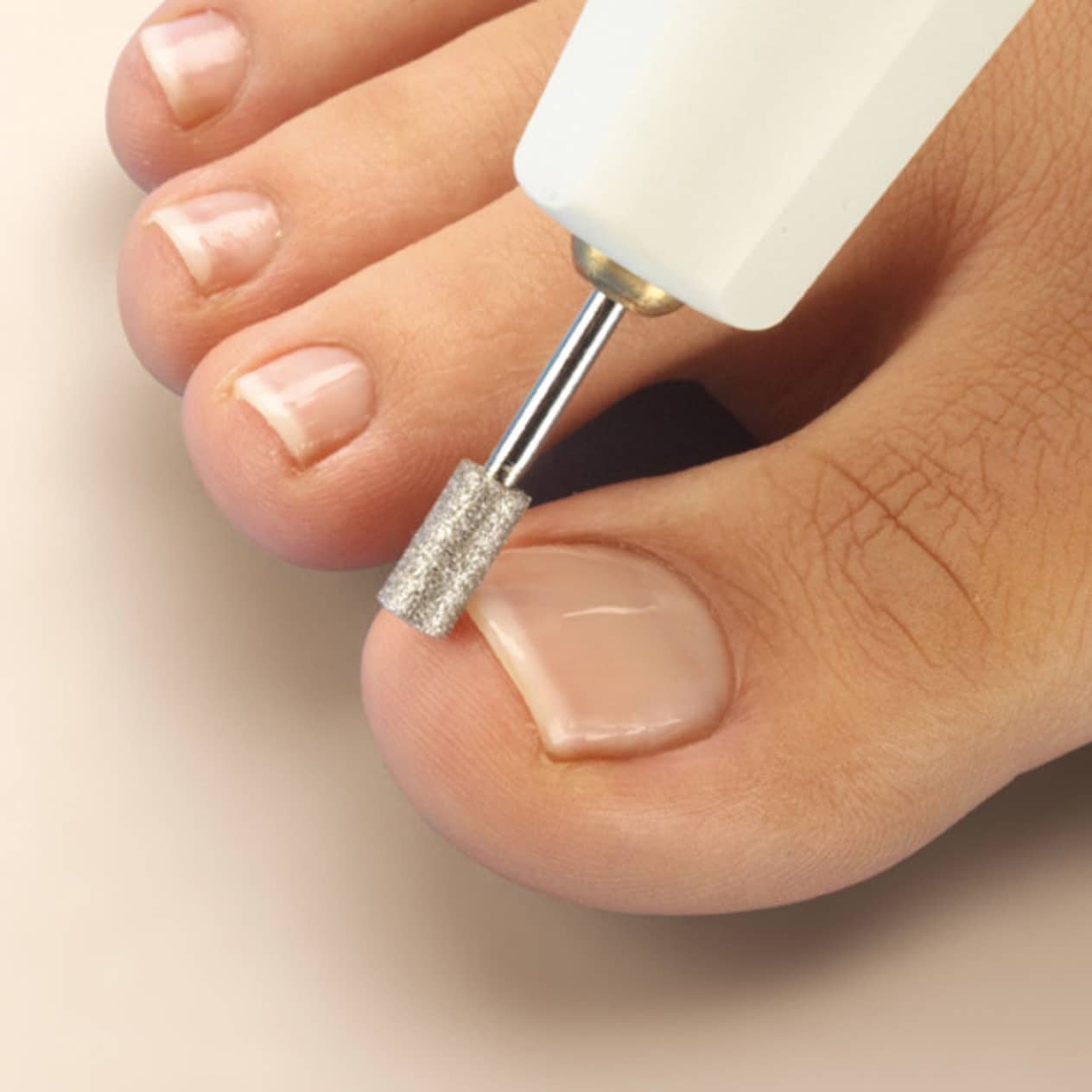
A machine pedicure is the treatment of feet and nails with a special electric device with various cutters. Unlike the classic technique, where the skin is first steamed and then cut with scissors or blades, the machine technique works delicately and without baths. The technician sands and polishes the skin, preserving its natural balance, and the variety of cutters allows them to work carefully even on the smallest areas: removing rough skin, treating cracks, combating corns, and even helping with ingrown nails or fungal changes in the early stages.
Who is a hardware pedicure suitable for?
This technique is suitable for almost everyone, but it is especially useful for people with sensitive or thin skin, where any mechanical damage can cause irritation. A machine pedicure is indispensable for those who have cracks on their heels, as it allows you to treat the skin without the risk of additional trauma. This method is also ideal for people with diabetes, as it eliminates the possibility of cuts and infection. For pregnant women, a machine pedicure allows them to receive quality care without aggressive intervention or chemicals that are harmful to the skin. And, of course, it is an excellent choice for those who want to have a long-lasting effect of smooth and healthy skin without constantly returning to the problem.
Why is a machine pedicure preferable to a classic one?
First of all, safety. Machine pedicures do not involve sharp blades or the risk of cuts, which significantly reduces the likelihood of infectious complications. Hygiene is at the highest level thanks to the sterilization of cutters and the absence of shared water. The comfort of the procedure is also important: machine treatment is usually painless, and many clients report pleasant sensations instead of the discomfort typical of traditional pedicures.
The precision of the work is also impressive: the cutters allow the technician to thoroughly treat even hard-to-reach areas, ensuring perfectly smooth feet. Another advantage is the long-lasting effect: after a machine pedicure, the skin does not become calloused as quickly and remains soft and well-groomed for longer. This is especially important for those who want to have perfect feet without having to repeat the procedure frequently.
The delicate approach makes a machine pedicure indispensable for people with problem skin: the risk of new calluses, cracks, or rough skin is minimized. That is why more and more clients are choosing a modern approach to the beauty and health of their feet.
Conclusion
A machine pedicure provides gentle, effective care, keeping the skin soft and smooth for a long time, minimizing the risk of injury and infection. If you are looking for comfort, safety, and long-lasting results, a machine pedicure is your best choice. Sign up for the procedure and give your feet the care they deserve.
Manicures for long nails: trends, designs, care, and shapes
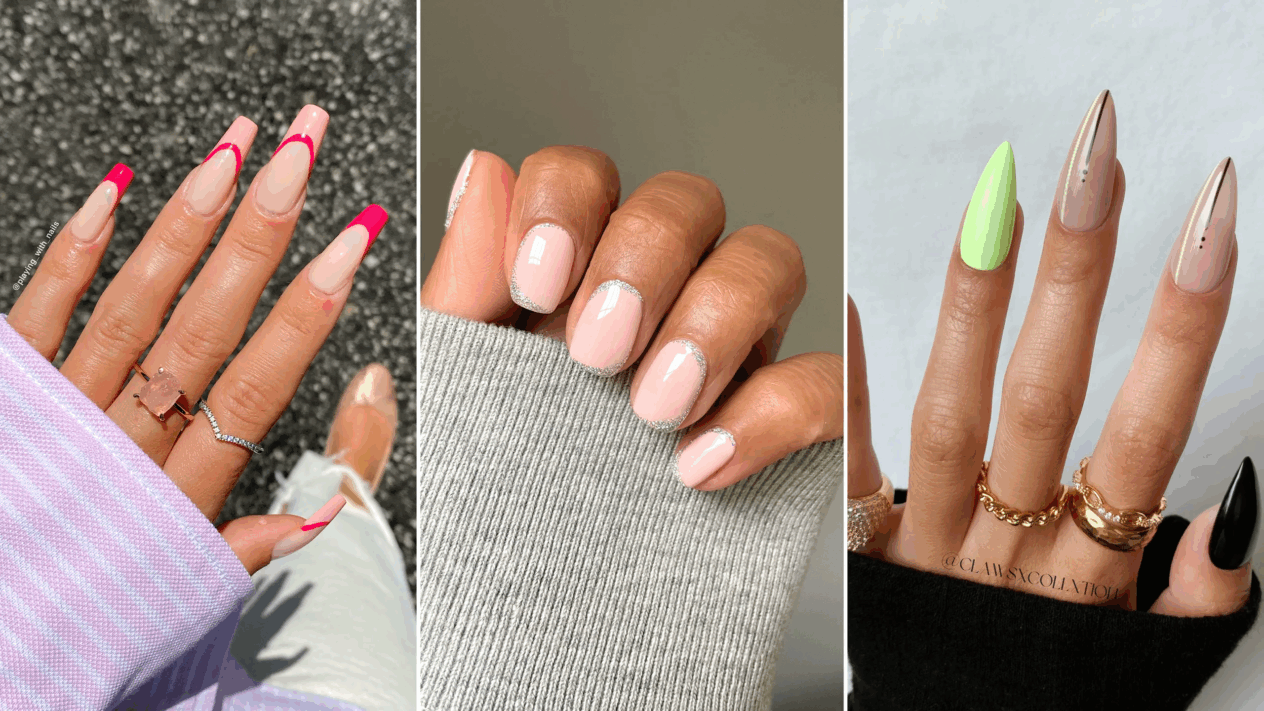
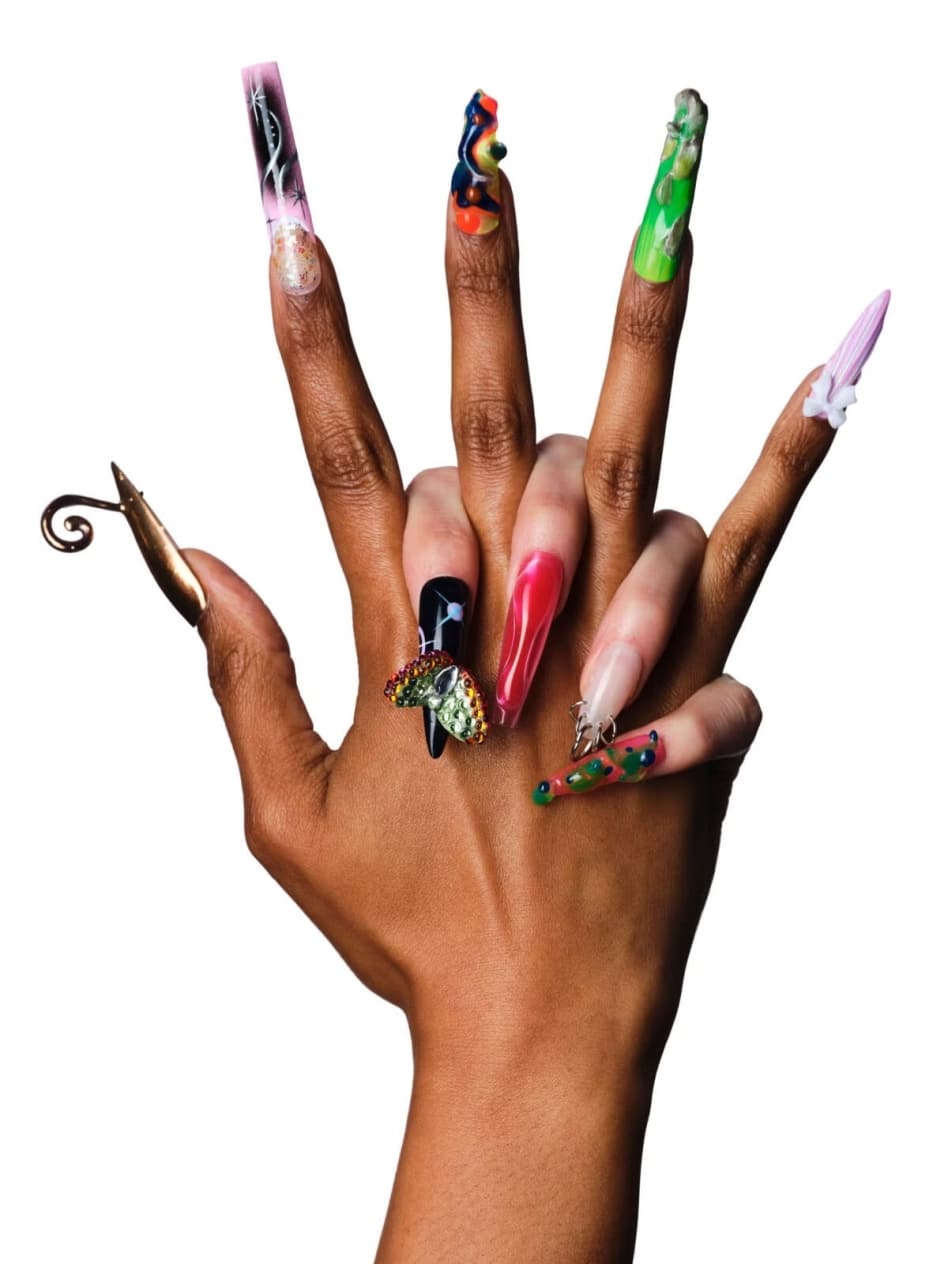
Long nails are the basis for a wide variety of designs. It’s like a large canvas for an artist: more space means more possibilities. While short nails limit the choice of colors, shapes, and elements, long nails allow you to bring complex ideas to life: detailed drawings, effects, stickers, sculpting, 3D decor, glitter, combined techniques, and more. From the coating to the filing, everything must be done perfectly, because any mistake becomes noticeable on long nails.
Trends 2026 in long nail design
-
3D volume and textures — drops, relief, gel effect, sculpting with gel paste. This only looks stylish on long shapes.
-
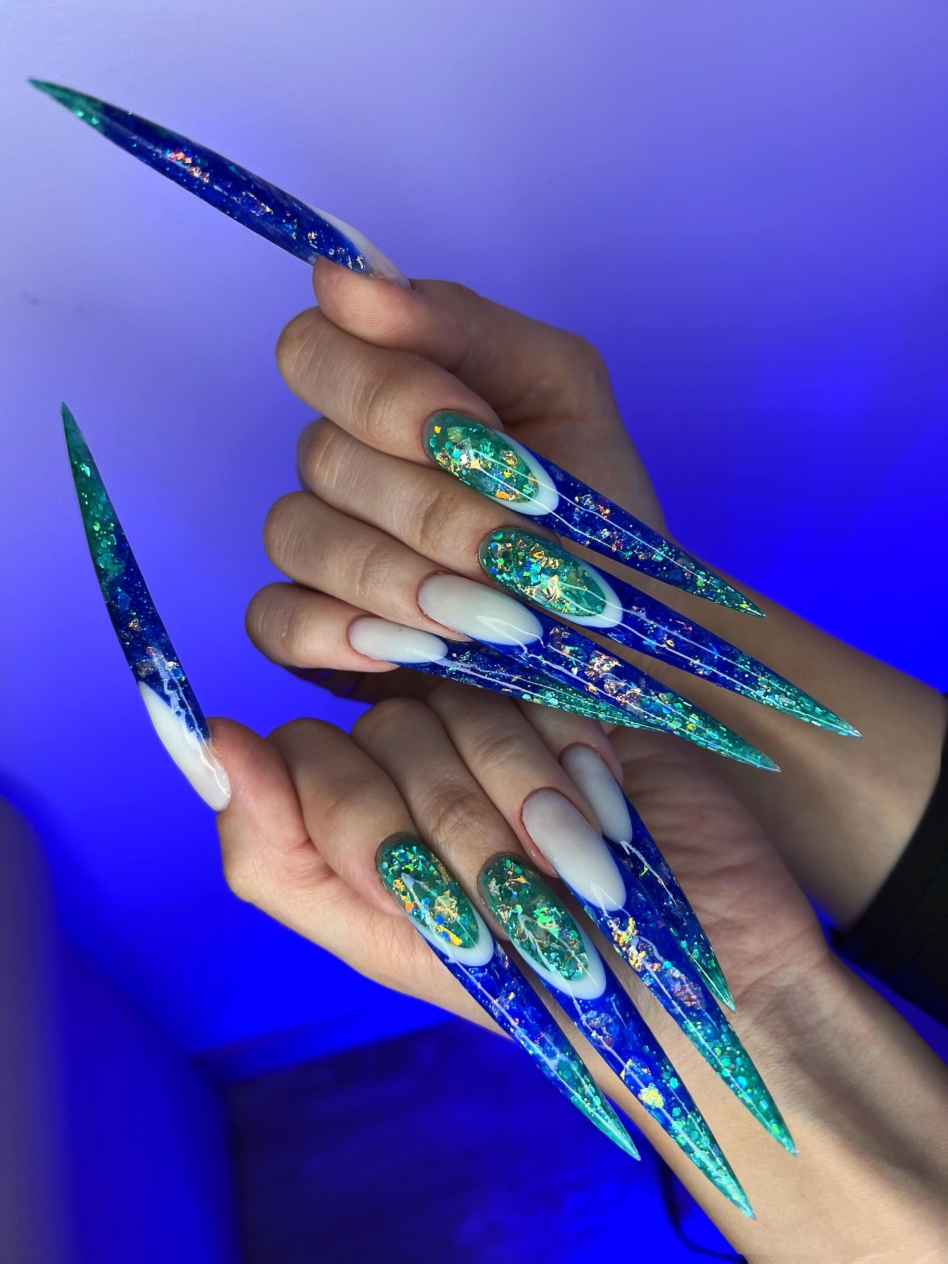
“Glass nails” — a transparent effect with inclusions.
-
Cartoon nail art — full-fledged characters, scenes, or logos can be placed on long nails.
-
Metallic and mirror shine — silver, bronze, chrome, and gold are especially popular.
-
Ombre in several planes — vertical and horizontal transitions at the same time.
-
Colored French manicure with a “blurred” tip — a trend that only looks impressive on long nails.
-
Total minimalism — ironic, but very relevant. One tone and a small accent — looks expensive and clean.
-
Milky and “soft” shades — nude, powder, caramel, mist — combined with length give a feminine result.
-
Complex geometric compositions — lines, foil, wire, thin ribbons, shades in a checkerboard pattern.
The best shapes for long nails: what to choose in 2026
-
Almond is the perfect option if you want to combine femininity and practicality. It keeps its shape, doesn’t snag, and suits most people.
-
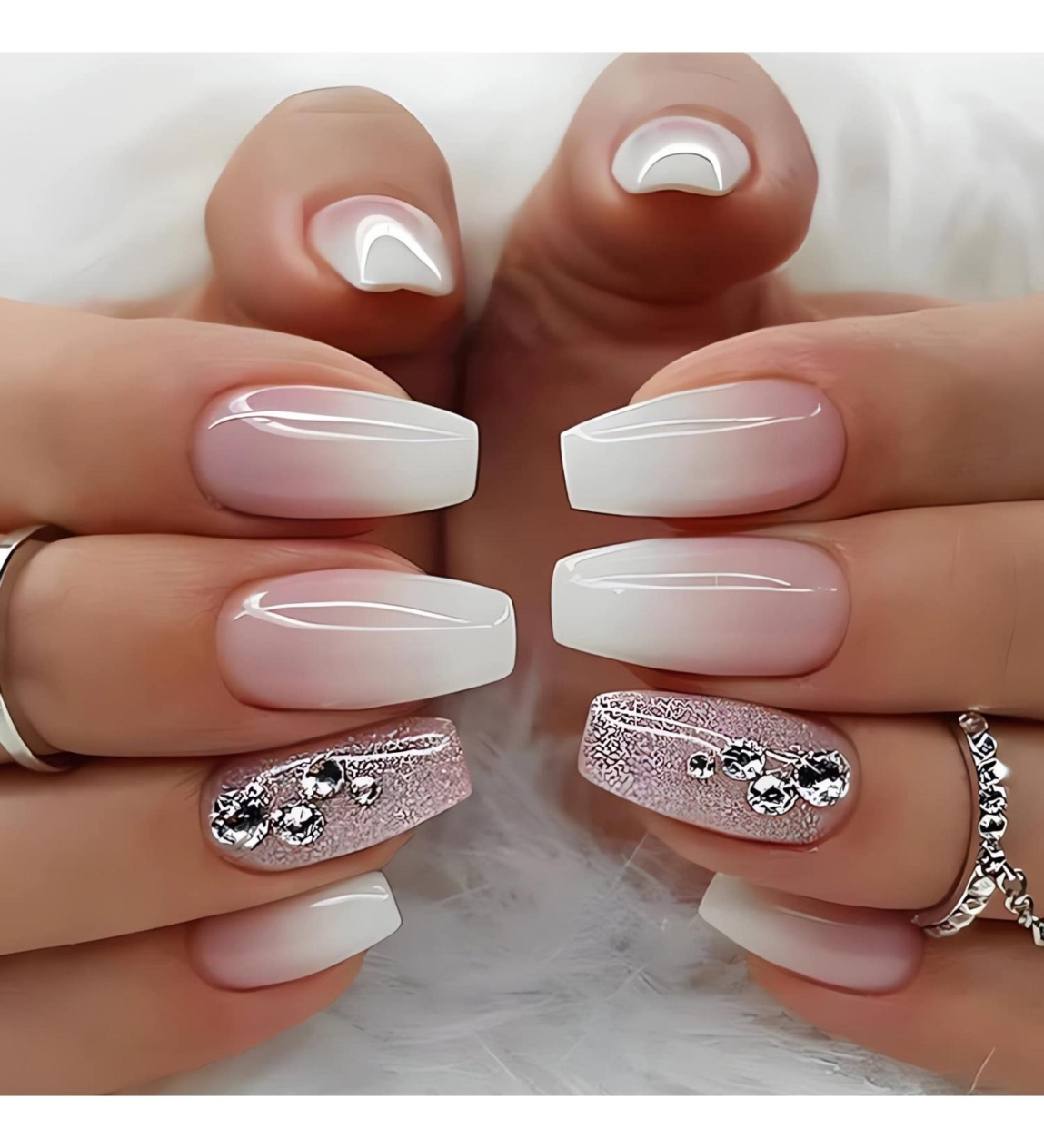
Ballerina (coffret) — the leader in recent years. Looks good with any design, especially French manicure and voluminous nail art.
-
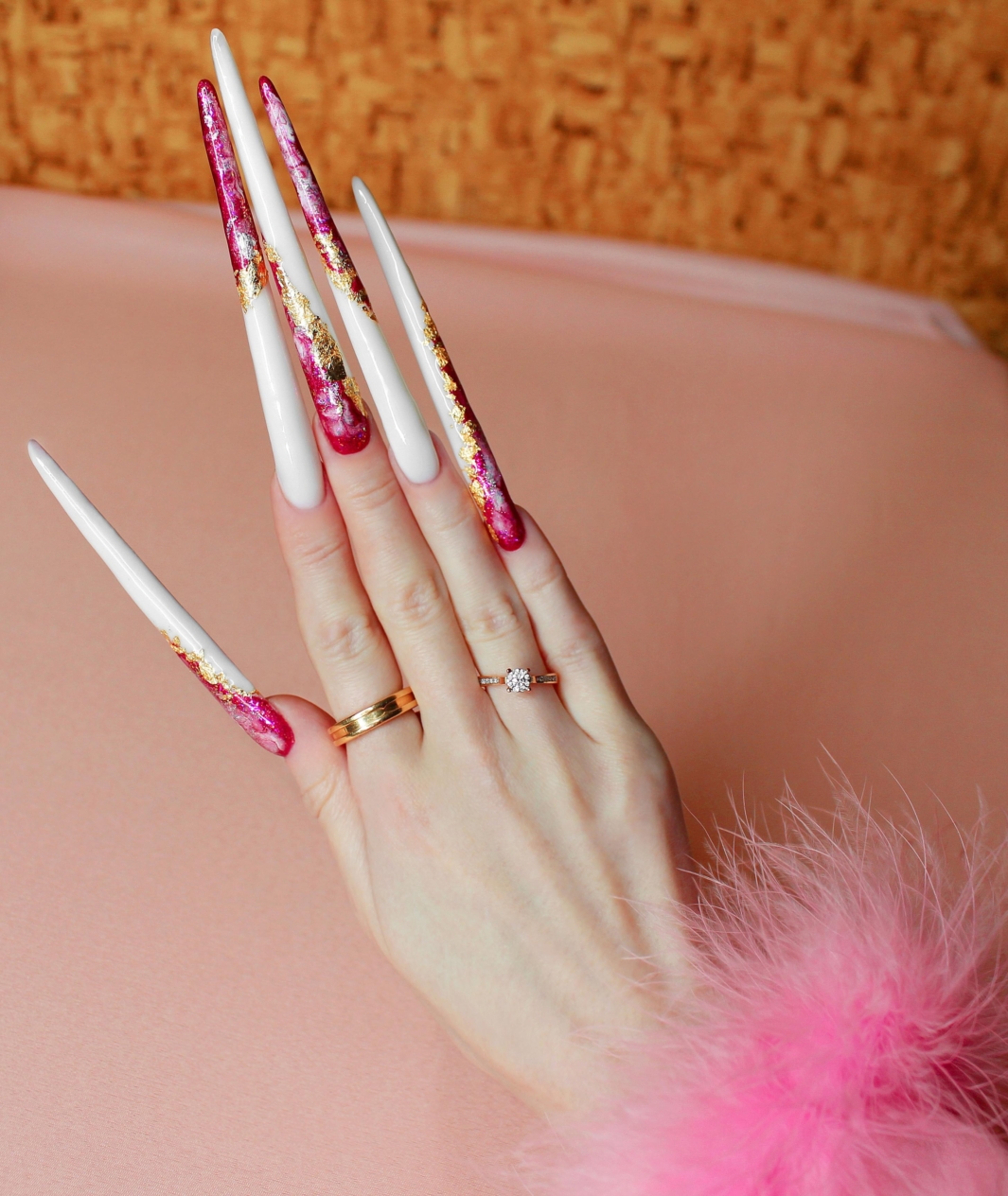
Stylet — a shape for those who want to make an impact. Sharp, provocative, but less comfortable in everyday life.
-
Oval/soft square — a classic for those who like length but don’t want too sharp edges. Comfortable to wear.
-
Edge and Pipe — less commonly used, but popular among those looking for something unique. Often chosen for photo shoots or show designs.
The choice of shape depends not only on aesthetics, but also on the anatomy of the fingers, everyday habits, and future design. In a good salon, the master will always advise you on which shape is right for you.
Caring for long nails: what you need to know to avoid ruining the result
Long nails are always a joint effort between the client and the technician. Even the perfect manicure will not last if you open cans with your fingers or use your nails instead of tools at home. Here are the key points:
-
Regular correction — on average once every 3 weeks. Otherwise, the base will start to come off, and the risk of cracks or breakage will increase.
-
Cuticle oil — daily. This provides moisture + nourishment + prevention of hangnails and dryness.
-
Household gloves — especially when cleaning or washing dishes.
-
Avoid sudden movements and strong impacts — for example, when opening windows, using a smartphone, or putting on jeans with a narrow zipper.
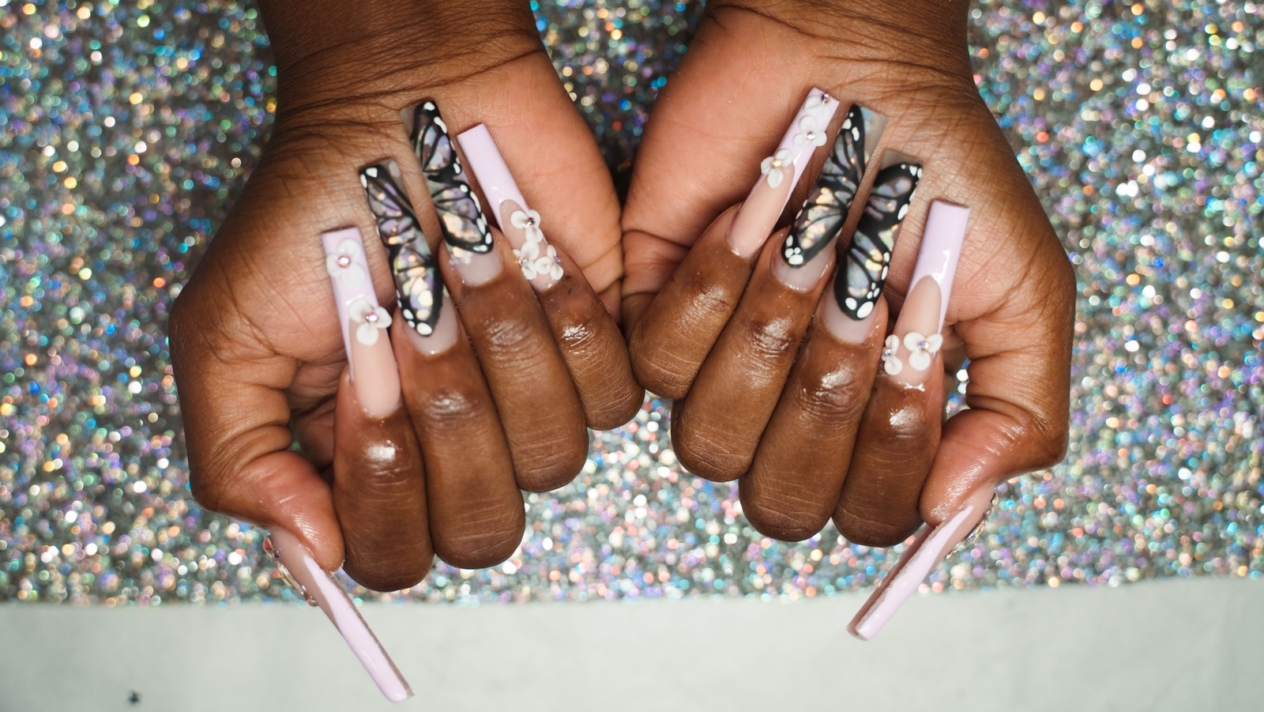
It is also worth remembering that long nails are not suitable for all situations. If you have a physically active job, a small child, or difficulties with self-care, it is better to start with a medium length and gradually increase it. The overall condition of the nail plate is equally important: if your nails are thin, brittle, or look depleted after removing gel polish, it is better to take a break first, restore them, and only then extend their length.
If you are planning a photo shoot, event, performance, or simply want to change your mood visually, long nails with the right manicure will create a feeling of “renewal” even without changing your hairstyle or wardrobe.
In 2025, everything is in fashion: both laconic classics and unusual art designs. The main thing is that your nails are well-groomed and your manicure is neat and appropriate. If you choose a quality technician and follow the care tips, long nails will not be a hassle, but a powerful tool of feminine strength.
Manicure for short nails
Short nails are a distinct style that has long won the hearts of millions of women around the world. In this era of naturalness and comfort, short nails are particularly relevant: they are convenient for everyday life, look elegant, and, most importantly, allow you to experiment with a variety of designs. Manicures for short nails are a true art form that emphasizes natural beauty and creates a sophisticated look without being overly pretentious.
Why short nails are beautiful
The stereotype that a beautiful manicure is only possible on long nails is long gone. Short nails have their own undeniable advantages. They are practical: they do not interfere with everyday activities, do not break, and do not snag. They look neat and concise, especially if the manicure is done by a professional who knows how to choose the right shape and design.
In addition, short nails are perfect for an active lifestyle, office work, or childcare. They also fit perfectly with modern trends of minimalism, naturalness, and sophistication. The main thing is to choose the right shape, color, and style that will emphasize the beauty of your hands.
What types of manicures are suitable for short nails
Several popular manicure options are best suited for short nails:
-
Classic solid color manicure. Delicate pastel shades or deep dark colors look flawless on short nails. They add elegance and neatness to your look.
-
French manicure. This legendary classic looks fresh and modern on short nails. A thin white line visually lengthens the nail and makes the hands look more elegant.
-
Moon manicure. An excellent option for those who want to accentuate the shape of the nail and add lightness to the look.
-
Geometric patterns and minimalism. A simple design with thin lines or small accents is ideal for short nails.
-
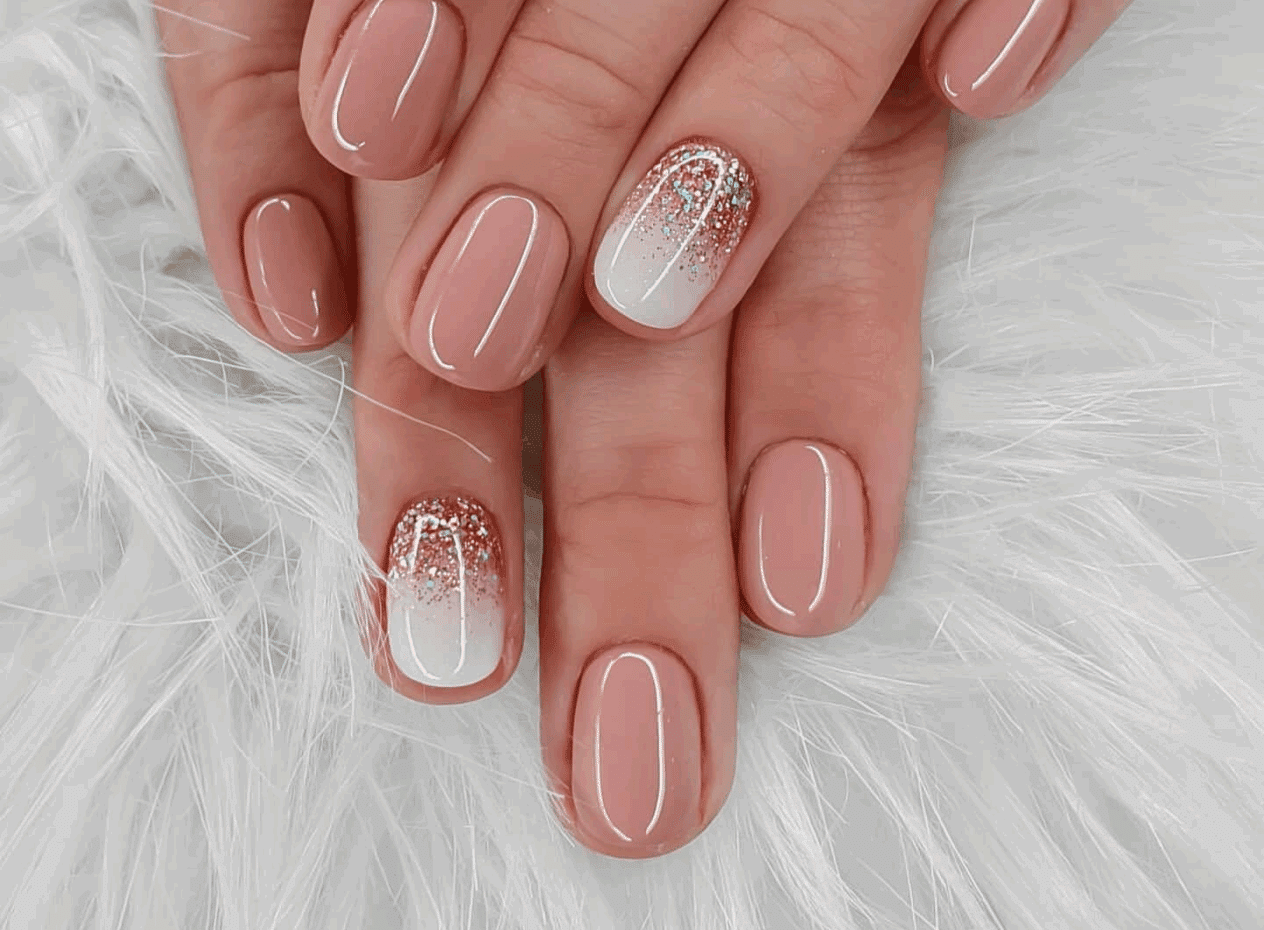
Gradient and ombre. Smooth color transitions perfectly “elongate” the shape and look especially stylish.
-
Decor with accents. Small accents — a shiny stone on one nail, a small pebble, or a minimalist pattern — add personality without overloading the look.
What shapes look best on short nails
The right shape is the key to harmonious-looking short nails. Among the best options are:
-
Oval shape. Visually lengthens the nails and gives the hands a feminine look.
-
Soft square. Makes nails look neat and is suitable for those who prefer more graphic shapes.
-
Almond shape. If the length of the nail plate allows, a slight taper will add elegance.
Manicurists always focus on the shape of the fingers and the natural structure of the nails to choose the perfect option for each client.
Caring for short nails
To keep short nails looking flawless, it is important not only to get a beautiful manicure, but also to care for them properly. Regularly moisturizing the cuticles with oil, protecting the hands with creams, and carefully filing without sudden movements all help to keep the nails strong and well-groomed. It is also worth choosing gentle coatings and giving your nails a break from gel polish at least once every few months.
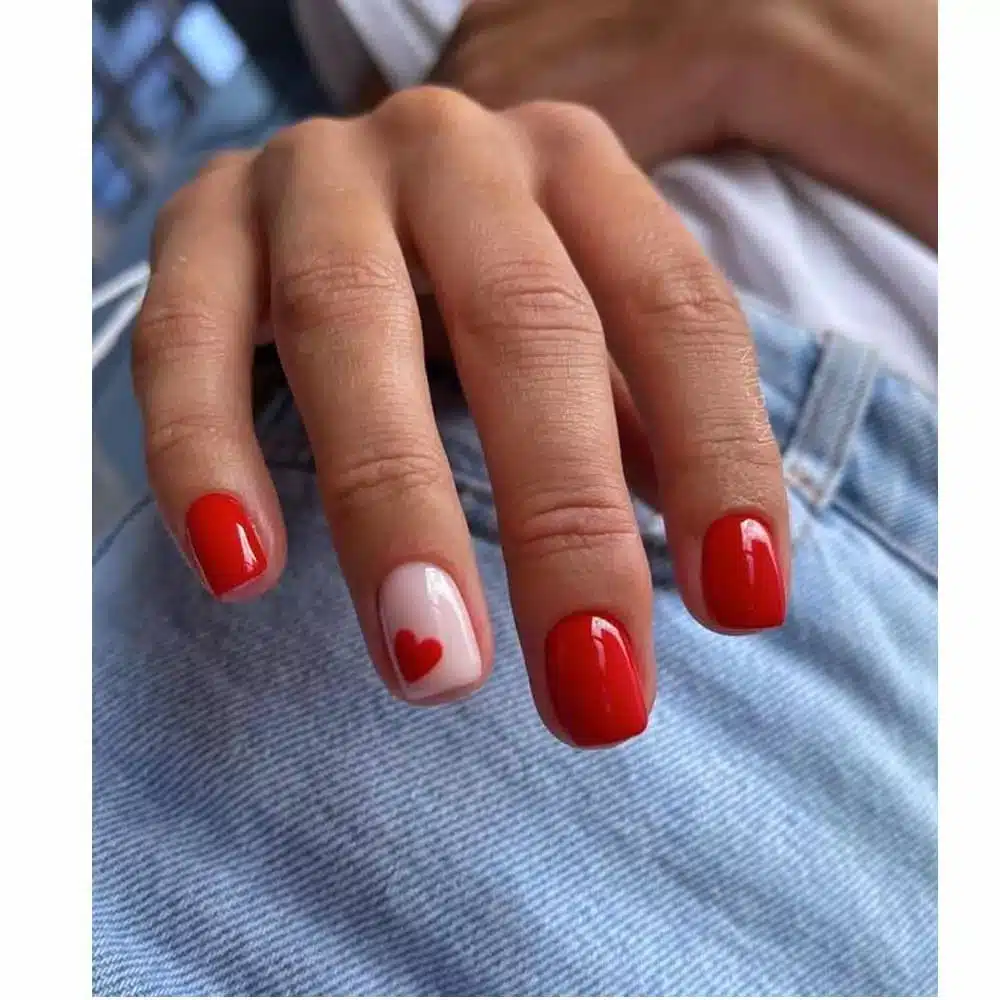
Manicure for short nails in our salon in Vinogradar
Whether you prefer classic elegance, trendy minimalism, or bright designer solutions, we will help you choose the perfect option for you. Our specialists are skilled at working with nails of any length and know how to make short nails a real decoration for your hands.
Make an appointment for a manicure with us and see for yourself: beautiful nails are easy to achieve when you are in good hands!
Pedicure without trimming: a new trend in foot care
The world of beauty treatments is changing faster than we can keep up with the trends. One of the most striking trends in recent years is pedicures without cutting the cuticles or rough interference with the natural condition of the skin. In 2025, this technique will become a real must-have for those who strive not only for beauty but also for the health of their feet.
What is a pedicure without cutting?
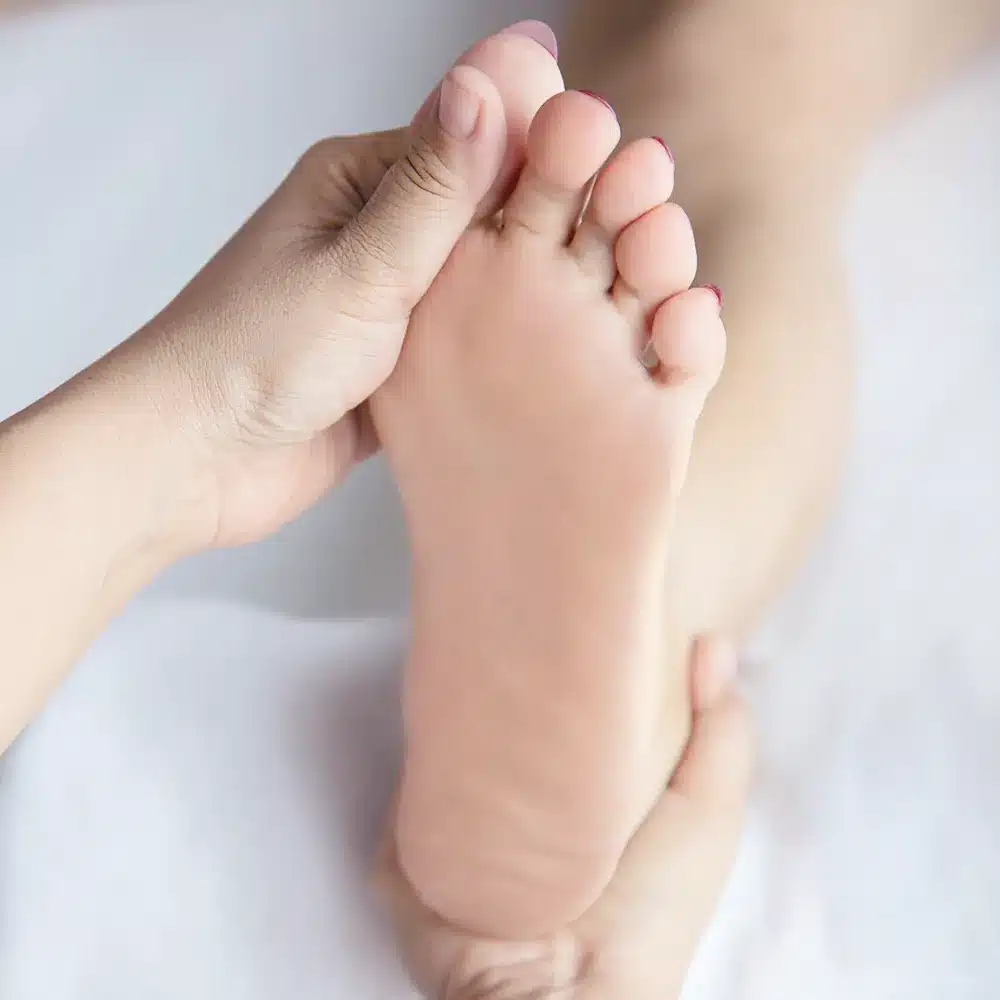
A pedicure without cutting is a delicate treatment of the feet, nails, and cuticles without the use of clippers, scissors, or blades. The main idea behind this type of care is to preserve the natural balance of the skin as much as possible, minimize the risk of injury and inflammation, and accelerate tissue regeneration.
Instead of cutting the cuticles, they are gently softened with special products, pushed back with an orange stick or pusher, and excess dead skin cells are delicately removed with machine cutters or soft sanding files. Cracks, calluses, and rough areas are treated gradually, without aggressive cutting.
Why pedicures without cutting are gaining popularity
-
Fewer injuries. The absence of cuts and microcracks significantly reduces the risk of infections and inflammation.
-
Natural beauty. Over time, the cuticle becomes thinner and neater on its own, and the feet look well-groomed without unnecessary intervention.
-
Longer-lasting effect. The skin does not try to “repair” the cut parts quickly, so the pedicure looks perfect for much longer.
-
Comfort and safety. Suitable even for people with sensitive skin, diabetes, or vascular problems.
-
Ethical and gentle. More and more customers are choosing natural care methods that do not harm the body.
This trend fits perfectly into the global movement for naturalness, conscious care, and respect for one’s body.
How a pedicure without cutting is performed
-
Cleansing and disinfecting the feet.
-
Softening of the cuticles with special products (often without steaming in water).
-
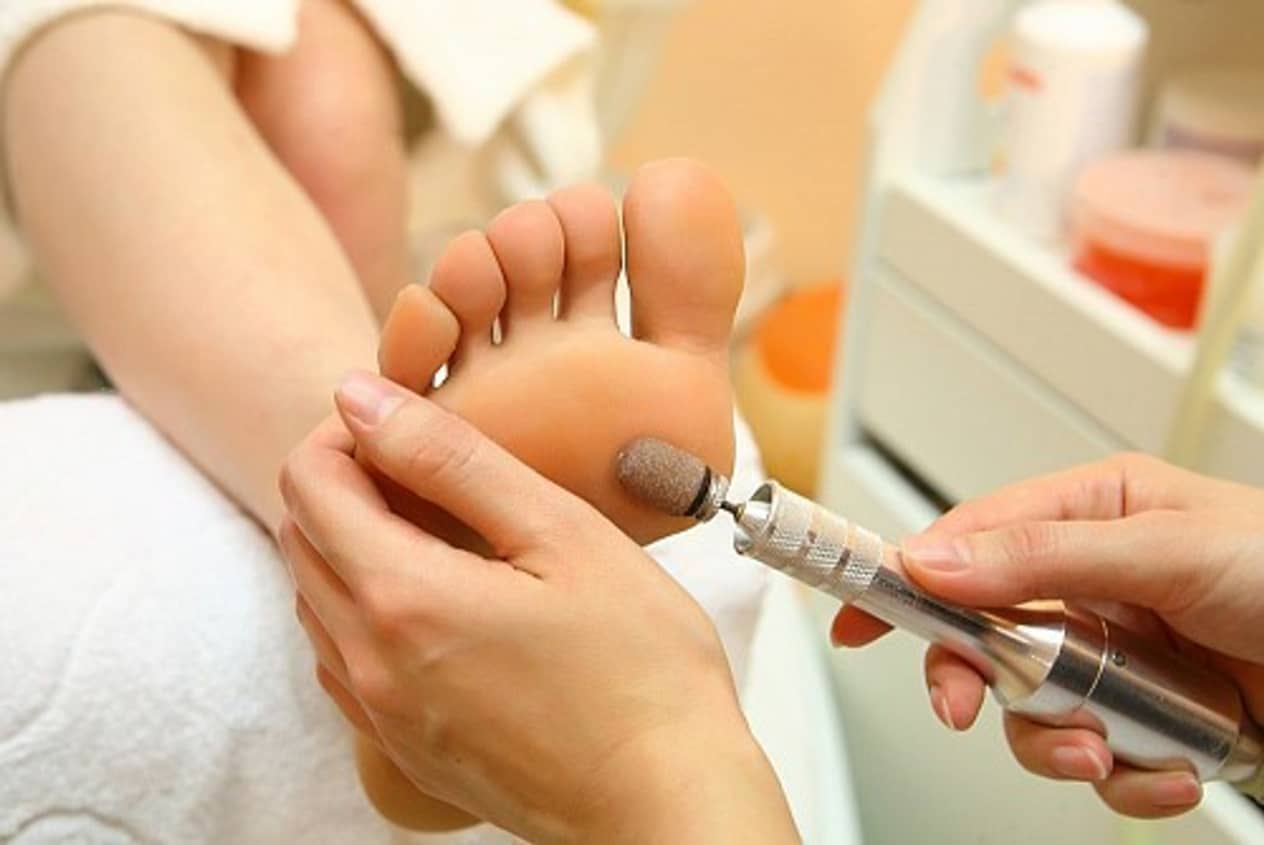
Machine treatment of the nail plate and the skin around the nail with delicate cutters.
-
Careful removal of the cuticle with a pusher or stick without cutting.
-
Gentle sanding of the feet to remove calloused areas without harsh interventions.
-
Application of nourishing creams, oils, or special healing agents.
The result is soft, well-groomed skin without any signs of aggressive treatment. Your feet will look beautiful, and you will enjoy a long-lasting feeling of lightness and comfort.
Conclusion
A pedicure without cutting helps to preserve the natural beauty of the skin, minimizes the risk of injury, and provides a long-lasting effect of well-groomed feet. If you value health and comfort, it is worth trying this method and feeling the difference. Sign up for a complex treatment at our pedicure salon and give your feet the best care!