A home manicure lets you keep your hands looking neat between salon visits and saves time. However, it’s precisely when doing their own manicures that many people make mistakes that gradually worsen the condition of their nails. Often, the consequences aren’t immediately noticeable: nails start to split, break, lose their healthy appearance, or become too thin. Most of these problems can be easily avoided if you’re aware of the most common mistakes.
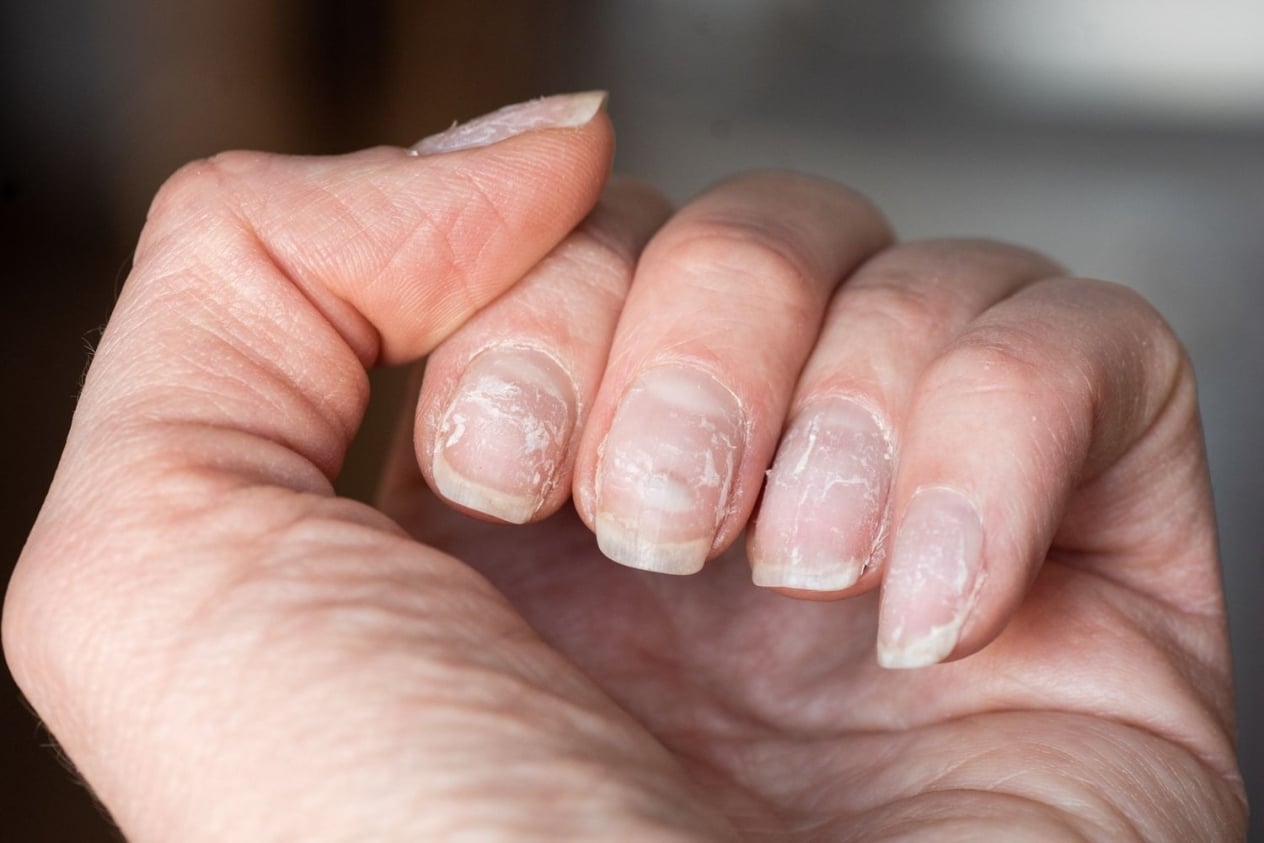
Improper filing and aggressive nail treatment
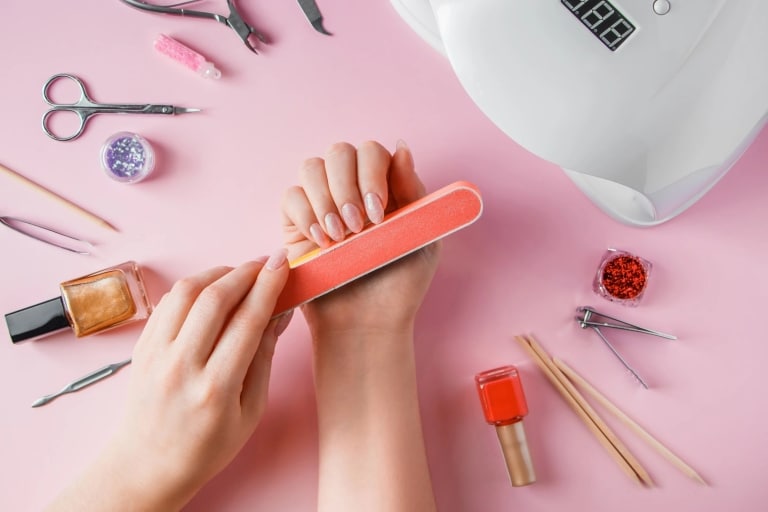
One of the most common mistakes is filing your nails too vigorously in different directions. These movements create micro-cracks along the free edge, which eventually lead to splitting. You should use the nail file with smooth, one-directional strokes, gradually shaping the nails as desired.
Excessive polishing of the nail surface is just as harmful. In an effort to make the nail plate perfectly smooth, many people regularly use a buffing block. In reality, each time you buff, you remove part of the nail’s top layer. If you do this too often, your nails become thin, weak, and prone to damage.
You should also be careful when trimming your cuticles. Removing them too deeply can not only injure the skin but also compromise the nail plate’s natural defense against bacteria and infections.
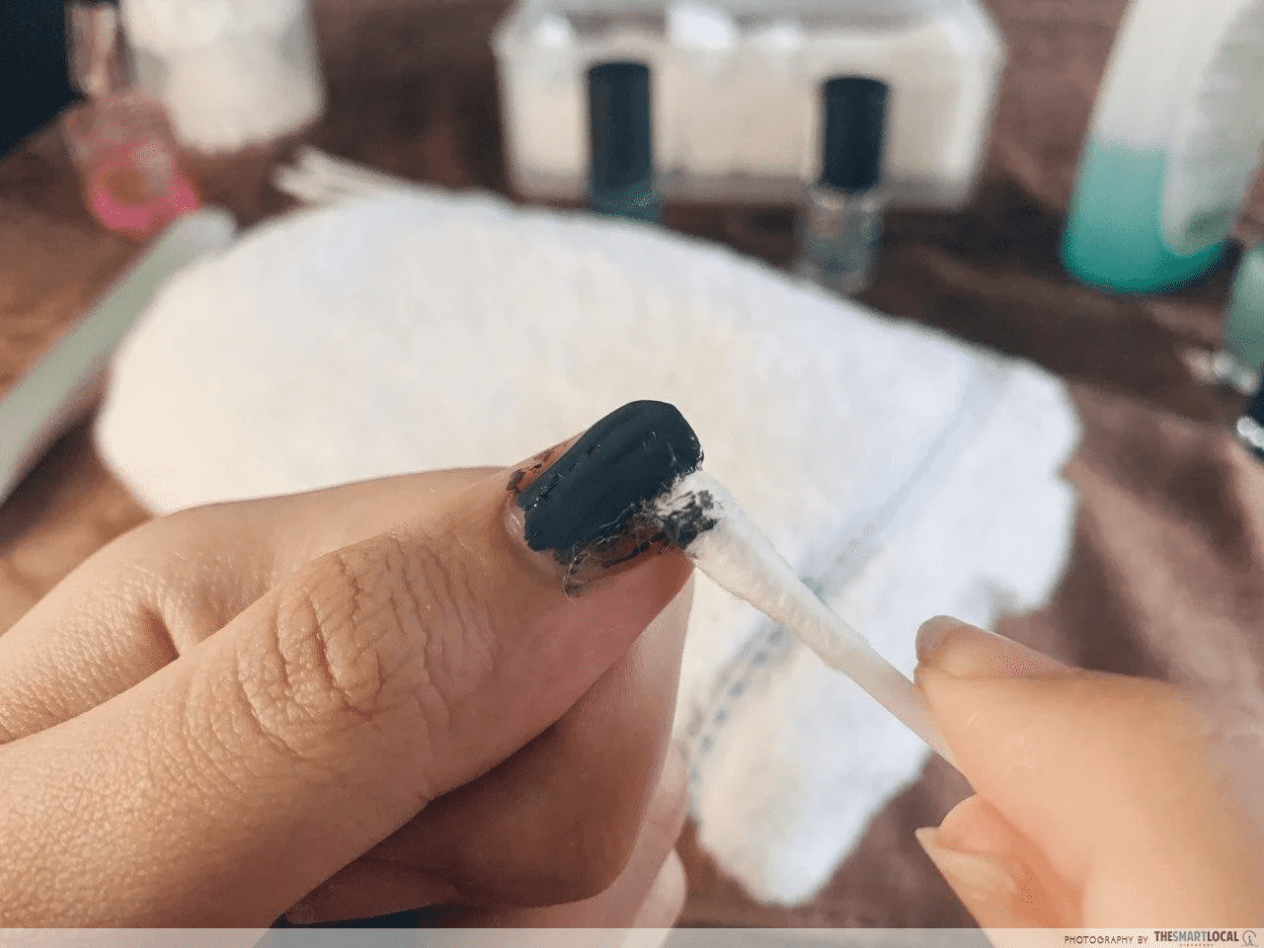
Improper removal of the polish and neglecting nail care
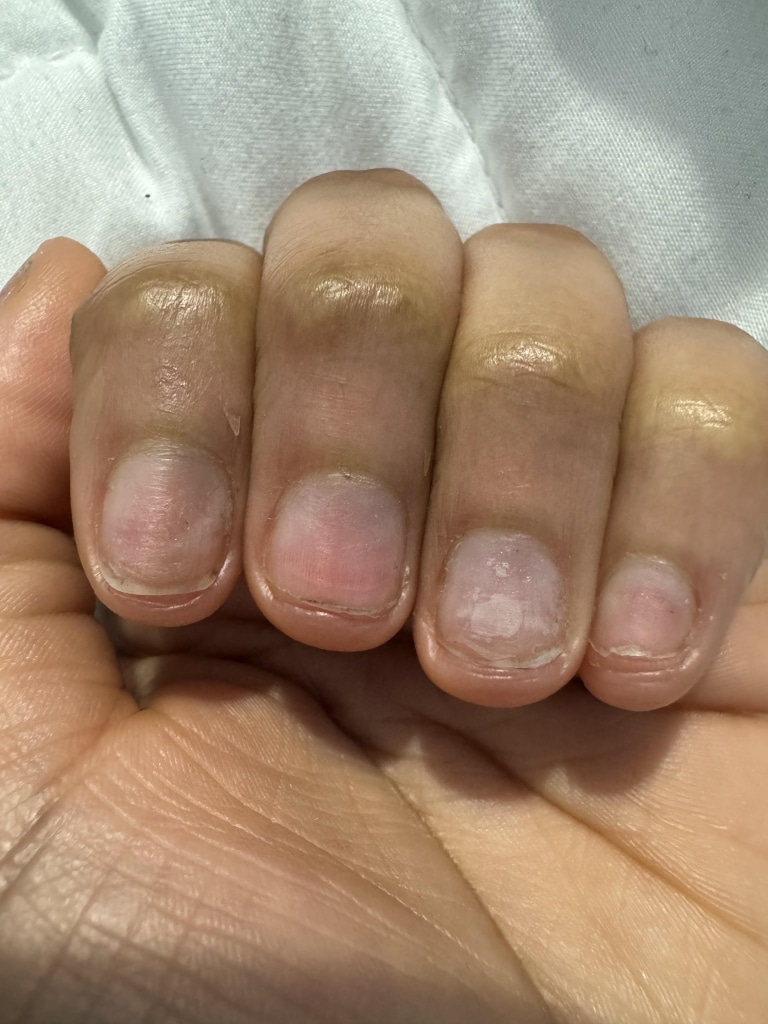
Many women have removed gel polish on their own at least once by simply peeling it off the nail. This habit is one of the most harmful. Along with the polish, the top layers of the nail plate are often torn off, causing the nail to become thin, brittle, and lose its natural strength.
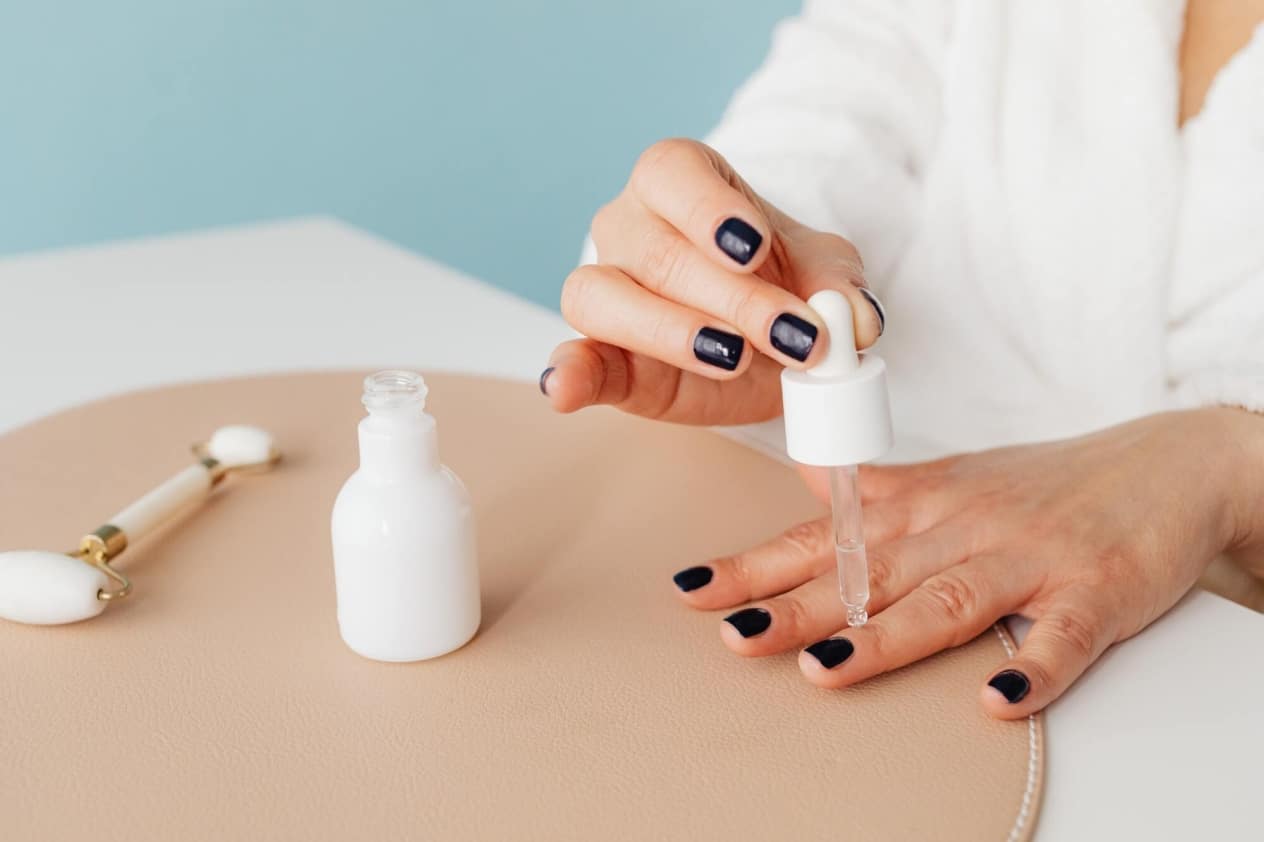
Another common mistake is failing to moisturize regularly. Many people focus only on the polish, forgetting about the cuticles and the skin on their hands. However, the area at the base of the nail is responsible for the formation of a healthy nail plate. If the cuticles are constantly dry, this negatively affects nail growth as well.
The use of cheap or questionable products for at-home manicures deserves special attention. Low-quality nail polish removers, nail files, or nail polishes can cause significantly more damage to your nails than it might seem at first glance.
Using Your Nails for Purposes Other Than Their Intended Use
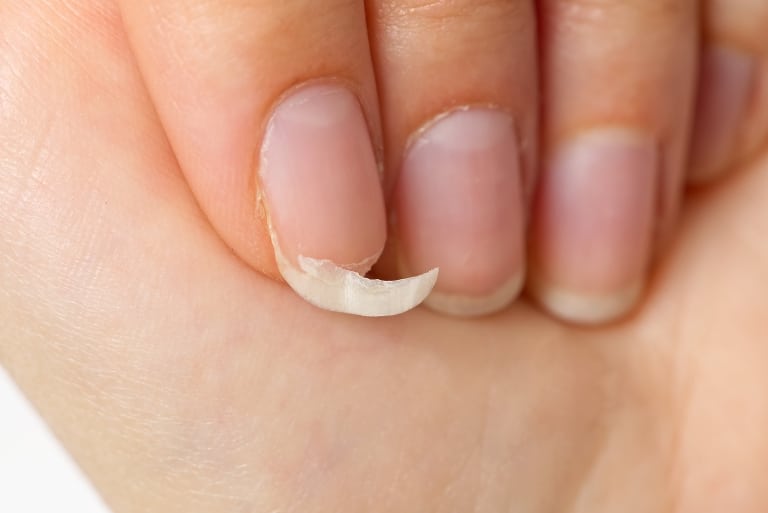
Even the strongest nails aren’t designed to handle household tasks. Opening jars, prying off lids, peeling off labels, or trying to pick things up with your nails puts a lot of strain on the nail plate. This results in cracks, chips, and delamination.
Constant contact with water and household chemicals without protective gloves also has a negative effect. Detergents dry out your nails and the skin on your hands, making them more vulnerable to damage. This is especially noticeable in winter, when cold temperatures and dry air compound the effects of these chemicals.
It is often these small, everyday habits that prevent nails from growing to the desired length or cause them to break constantly at the most inopportune moments.
Conclusion
Most nail problems arise not because of genetics or a lack of expensive products, but because of common mistakes in at-home care. Improper filing, harsh polish removal, neglecting moisturization, and using your nails for household chores gradually worsen their condition. Careful maintenance, high-quality tools, and regular visits to a professional manicurist will help keep your nails healthy, strong, and beautiful.