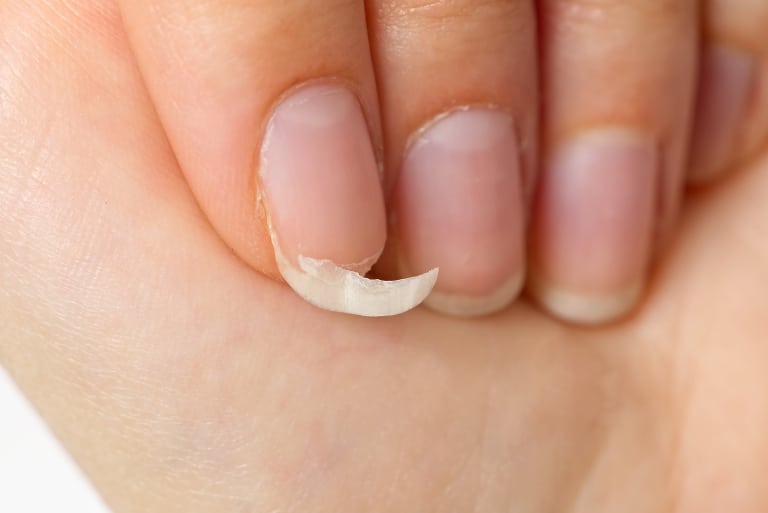
Gel polish has long been one of the most popular types of nail polish thanks to its durability, shine, and ability to maintain a flawless look for several weeks. However, sometimes an unpleasant situation arises when, just a few days after the manicure, the polish starts to lift at the edges, chips appear, or even entire sections of gel polish peel away from the nail. In such cases, many people immediately blame the materials or the technician, although there may be many more reasons. To understand how to avoid this problem, it’s worth figuring out exactly why the gel polish peels off.
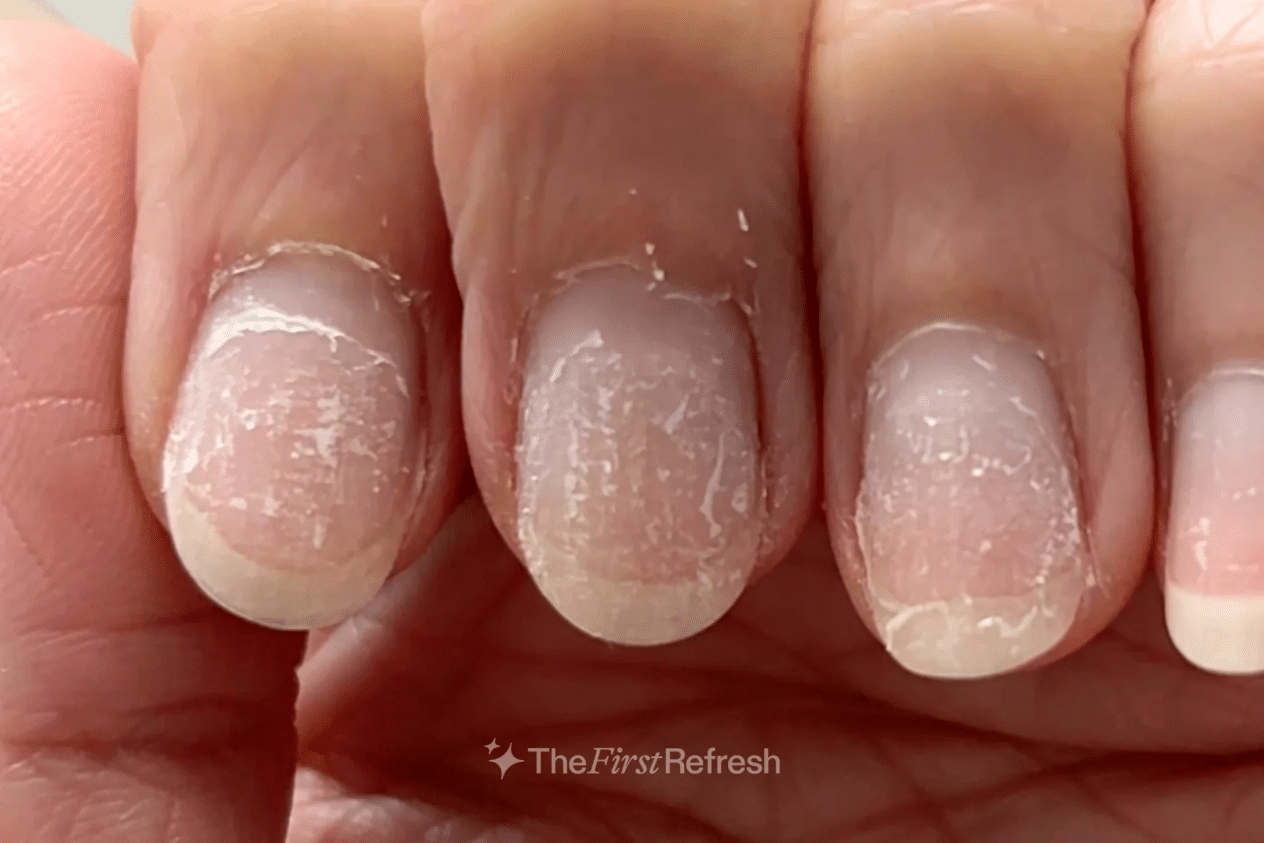
Nail Characteristics and Overall Health
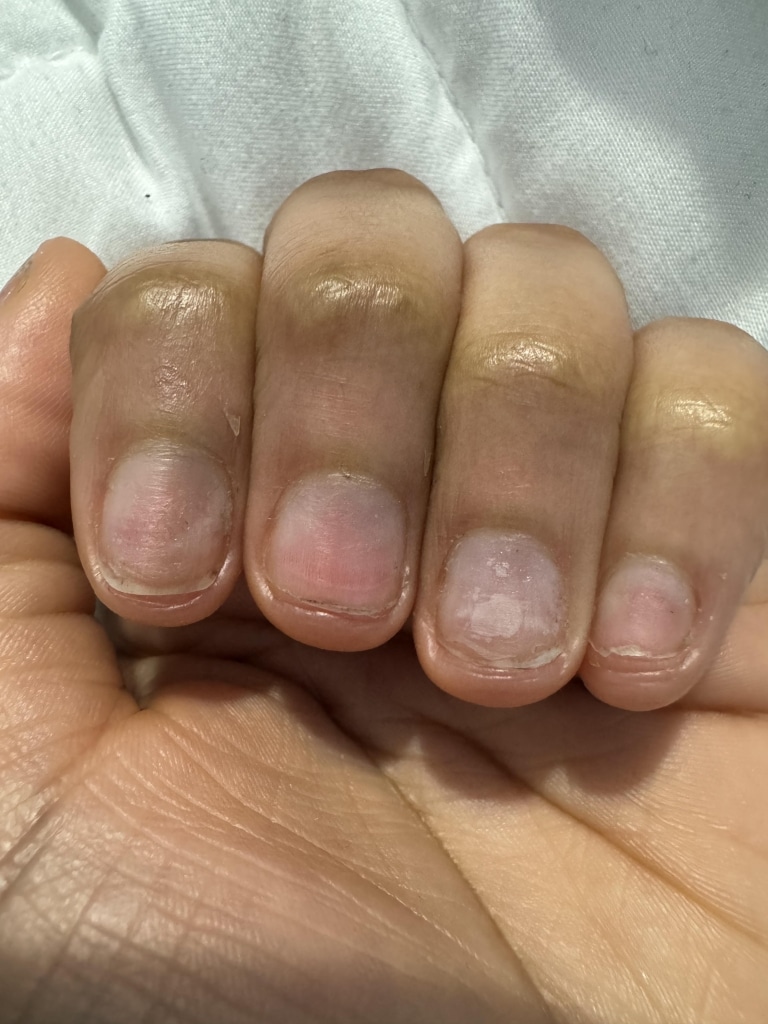
Not all nails hold the polish equally well. In some people, the nail plate is naturally more moist or oily, which makes it harder for the polish to adhere to the nail surface. The durability of a manicure can also be affected by hormonal changes, pregnancy, certain medications, severe stress, or a lack of vitamins and minerals.
Sometimes a client wears gel polish for years without any problems, and then suddenly begins to notice regular peeling. In such cases, the cause is often related to changes in the body rather than the quality of the technician’s work. That is why a professional technician always pays attention to the condition of the nails and selects materials on an individual basis.
Mistakes When Wearing a Manicure
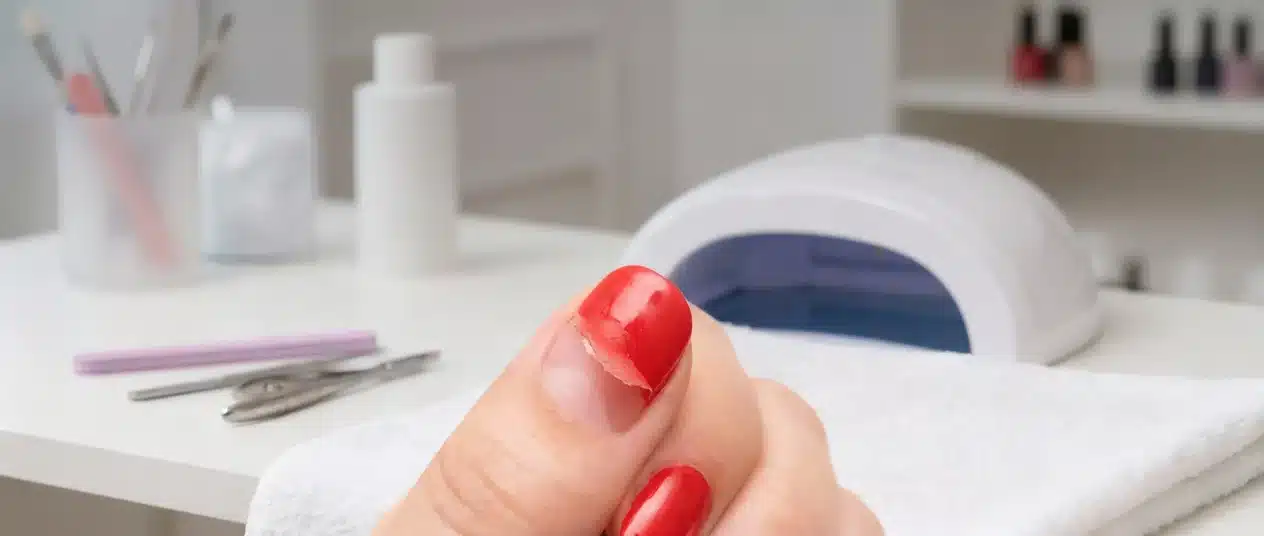
Even a perfectly applied manicure can lose its durability due to improper use. Many people unconsciously use their nails as tools: opening packages, prying off lids, peeling off stickers, or performing other tasks for which nails are not intended. Such actions put stress on the polish and can lead to cracks and chipping.
Another equally important factor is constant contact with water and household chemicals. Cleaning products gradually wear down both the nail plate and the polish. That’s why nail technicians recommend wearing protective gloves while cleaning and washing dishes.
Another common mistake is wearing the gel polish for too long. As the nail grows out, the distribution of pressure on its surface changes. As a result, even high-quality gel polish begins to lose its strength, and the risk of chipping and lifting increases significantly. That’s why it’s important not to skip timely touch-ups.
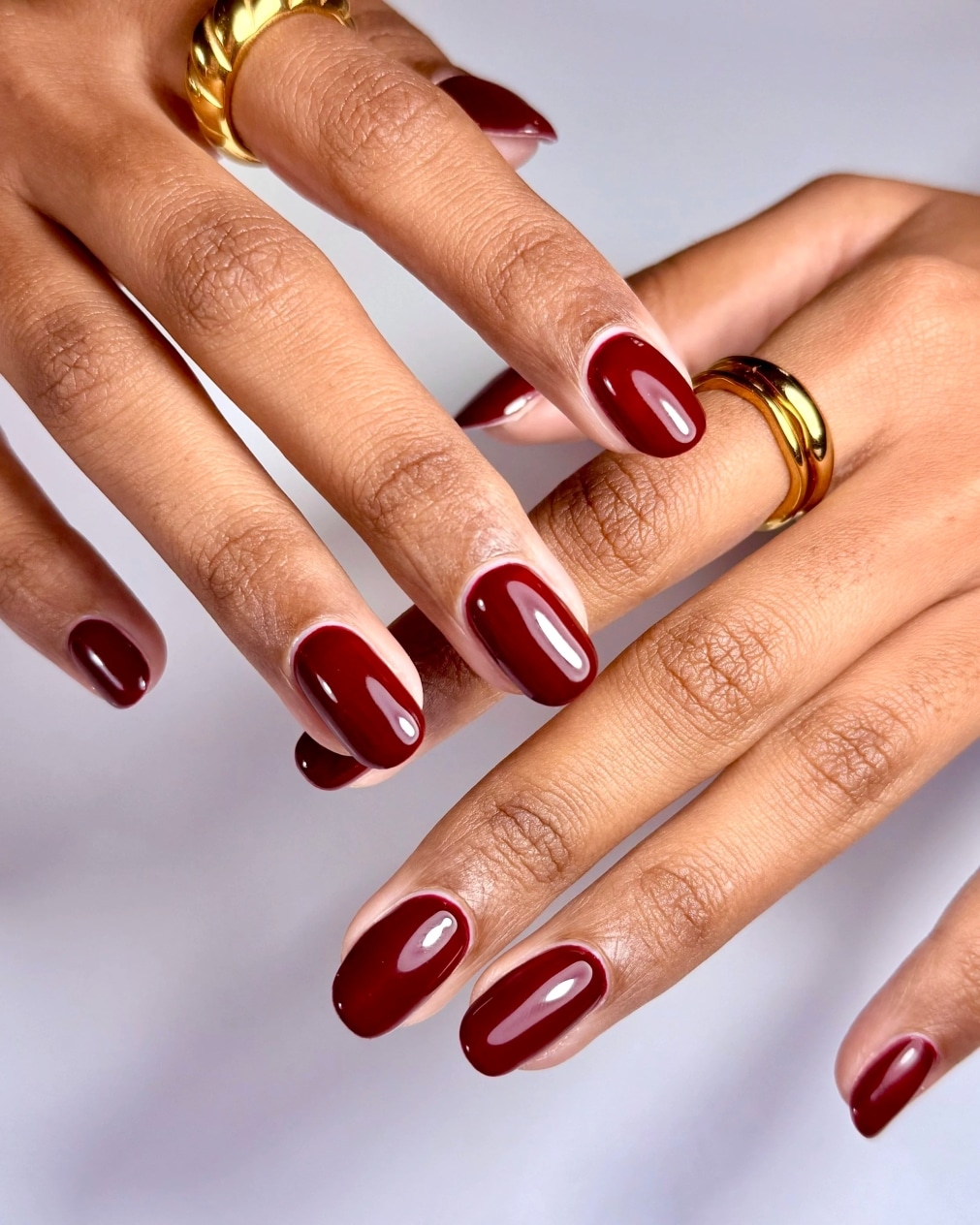
The Impact of Manicure Quality and Materials
A great deal depends on how properly the manicure is performed. Before applying gel polish, the nail plate must be thoroughly cleaned, degreased, and prepared. If even a small amount of dust, moisture, or natural oils remains on the surface, the material’s adhesion to the nail will be weaker.
The right choice of base coat and other materials also plays a crucial role. The modern market offers a vast array of products, but not all of them work equally well on different nail types. That is why an experienced technician takes into account the specific needs of each client and selects the optimal coating system for each individual case.
Adherence to the application technique is also crucial. Layers that are too thick or too thin, deviations from the recommended curing time, or other technical errors can affect the longevity of the manicure.
Conclusion
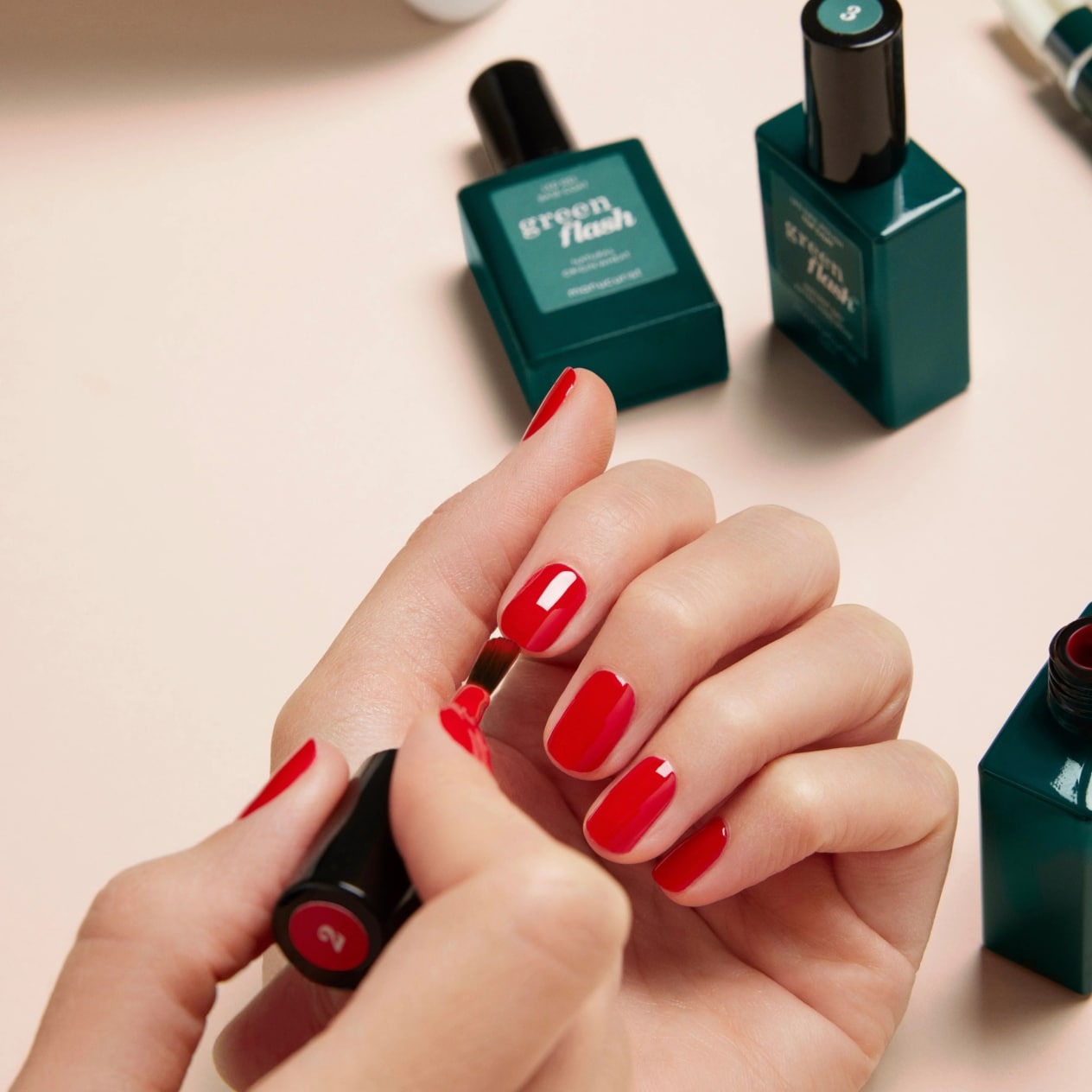
Gel polish peeling rarely occurs due to a single specific cause. Most often, it’s a combination of nail characteristics, external factors, and post-manicure care guidelines. To ensure the polish stays beautiful and long-lasting for as long as possible, it’s important to entrust your hands to a professional technician, follow care recommendations, and avoid using your nails for household tasks. If you do this, your manicure will look flawless until your next salon visit.