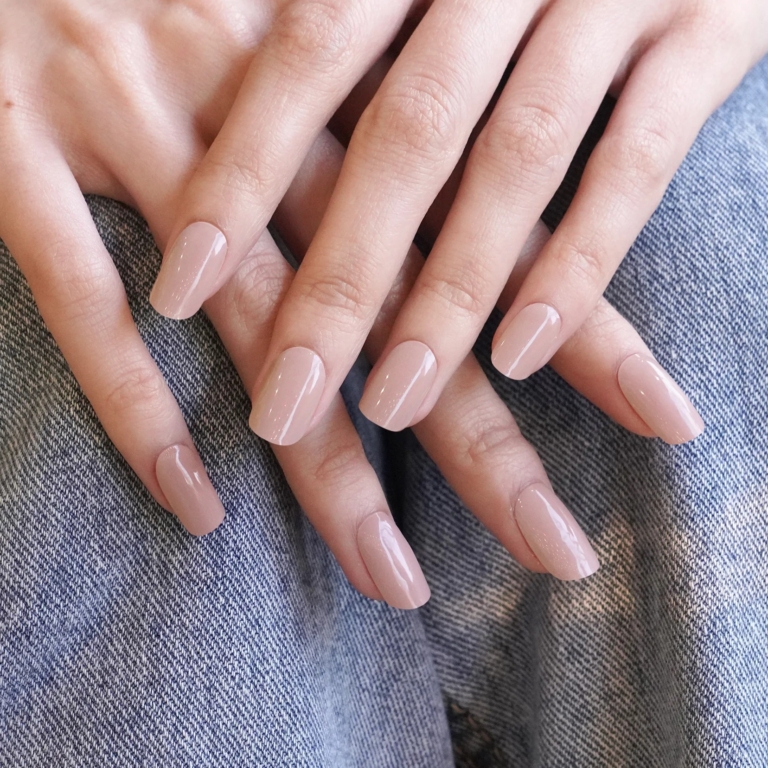
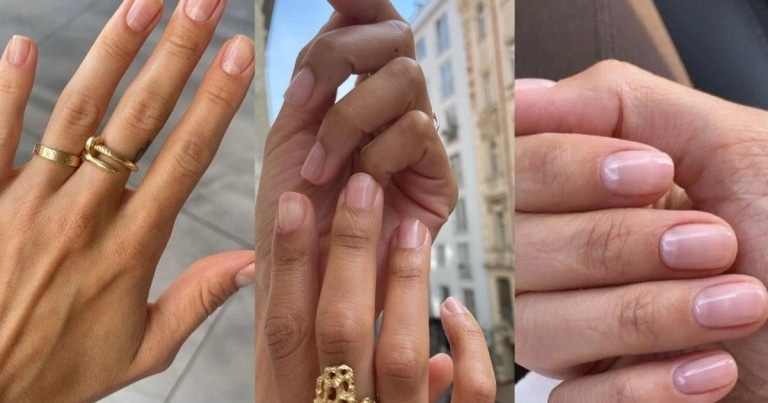
Modern beauty trends are changing rapidly, but how can we find a balance between beauty and health? Japanese manicure is a special nail care technique that focuses not only on beauty, but also on the healthy, restored appearance of the nail plate. “This is a story about a trend that has transformed into a lifestyle—green, healthy, natural,” notes Victoria Kolodiy, founder and creative director of the MVK chain. The procedure is called permanent nail glossing or biomaniquior, because only natural and safe products are used during the manicure: panthenol, glycerin, vitamin and mineral complexes, essential oils, and beeswax-based paste and powder. Orange sticks and nail files made from calfskin are used during the procedure; no metal cutting tools are used.
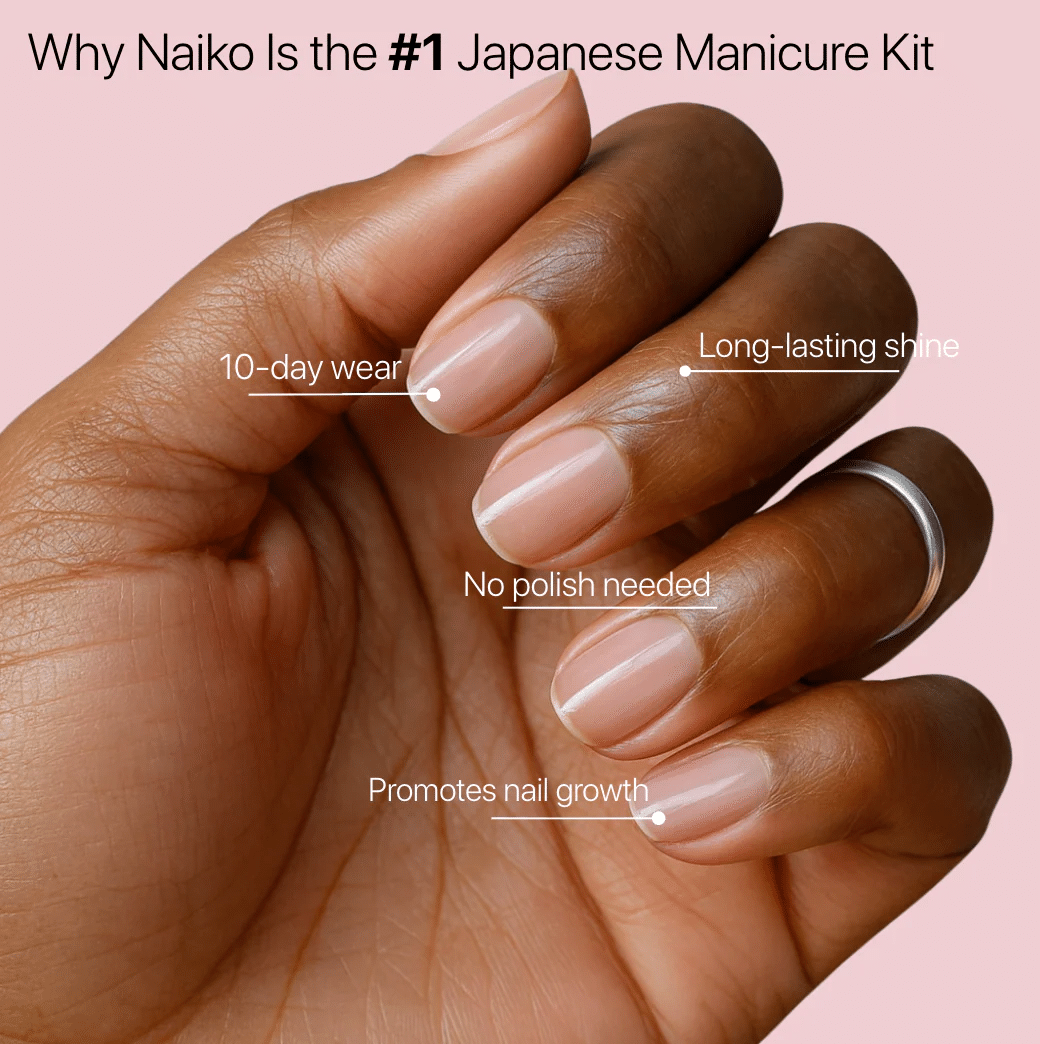
If you prefer natural products, then Japanese manicure is for you.
The main goal of a Japanese manicure is to restore and preserve the nail plate without aggressive chemical effects, using only natural extracts and the techniques of a specialist.
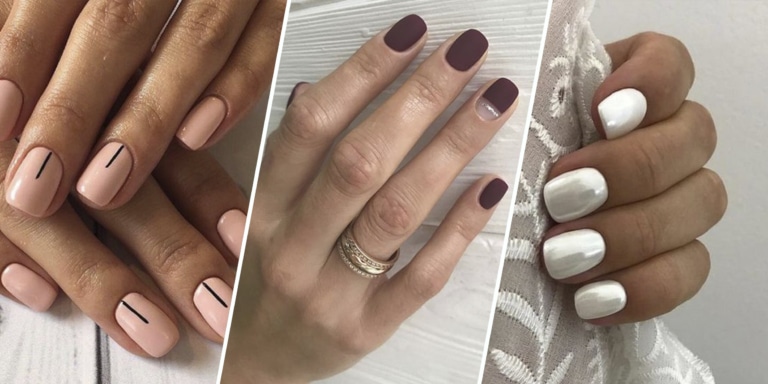
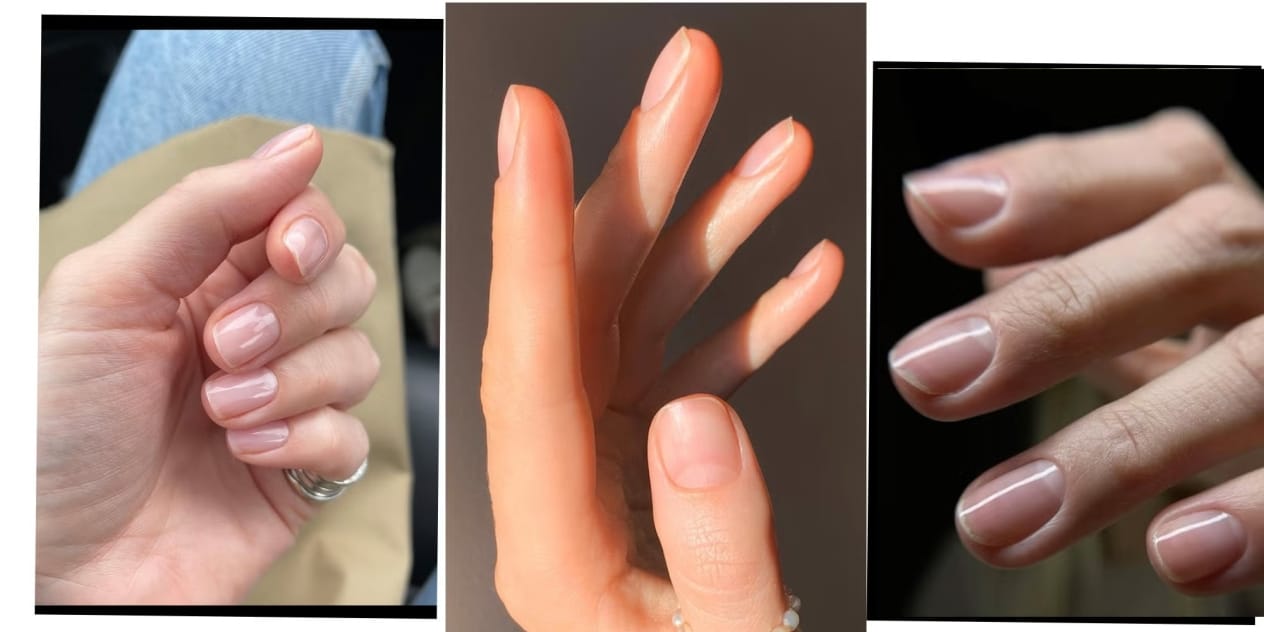
No nail polish or gel is used during the procedure, only environmentally friendly materials. The absence of harsh substances helps to restore brittle and weakened nails. Natural vitamin ingredients normalize metabolic processes in the structure of the nail plate. It becomes stronger, grows faster, and acquires a natural healthy shine. You get healthy, strong nails with a natural beautiful shine.

Japanese manicure technology
It is extremely important to perform all the steps of a Japanese manicure correctly, not only to admire the beauty of your hands, but also to start the regeneration of cuticle cells and the restoration of the nail plate.
- Preparation and cleaning of the cuticle. The condition of the nails is assessed, and a bath with nutrients is prepared. To achieve maximum softening of the cuticle, the master performs a massage with natural oils. Excess skin is removed with natural buffers and orange sticks. After cleaning, a moisturizing oil is applied to the cuticle.
- Restoration and protection of nails. Once the skin and nails have been cleaned, a strengthening paste consisting of natural ingredients such as beeswax, minerals, proteins, and vitamins is applied to nourish and restore the nails. The paste is rubbed into the surface of the nail plate and the surrounding skin using a buff. This process saturates the nails with vitamins and minerals and strengthens their structure.
- Polishing. After the hands have absorbed the nourishing paste, the nail plate is sealed. The specialist applies pearl powder or diatomaceous clay with wax to create a protective film on the nail surface. This step locks in nutrients and gives the nails a beautiful natural shine. Natural nail polish can be applied. Sealing creates a dense, glossy effect and prevents nail delamination.
- Additional care. For complete nirvana, the final stage can be a massage with special bags of hot or chilled sand to improve blood circulation in the tissues and the application of therapeutic creams and oils.
Masura and P-Shine are the most popular types of Japanese manicure.
There are two main types of Japanese manicure that have spread throughout the world. The procedures are similar in their philosophy but have some differences in execution. Manicurists use a Japanese manicure kit, which includes orange wood sticks, soft buffers made of natural suede, and balsa wood nail files. The procedure takes from one to one and a half hours. The techniques are aimed at natural, deep restoration of the nail plate.
Let’s look at the main differences between the Masura and P-Shine manicure techniques.
- The P-Shine technique is aimed at deeper polishing of the nail plate, while Masura is a more delicate technique. The P-Shine technique involves polishing the nail plate with coarse buffs and then with finer ones.
- The Japanese Masura manicure emphasizes hand massage using natural essential oils, while P-Shine emphasizes steaming the hands in a bath, followed by a light massage.
- The Masura technique uses pearl powder and nail polish to “seal” the nails, while the Japanese P-Shine manicure uses diatomaceous earth and natural beeswax. Pearl powder not only strengthens the nails, but also hides minor imperfections such as cracks and unevenness. The polish is made from gelatin and contains extracts of seaweed, calcium, and rock salt. Diatomaceous earth helps strengthen nails and increase their resistance to damage.
- The P-Shine technique is a more professional system that involves the use of special gel products, applicators, and an ultraviolet lamp.
How long does the effect of a Japanese manicure last?
A Japanese manicure has a lasting effect. Your nails will look healthy and natural for up to 3-5 weeks. However, the characteristics of your body and therapeutic goals may require more frequent visits to the manicurist. The technique has a therapeutic effect, so if the procedure is performed for restorative purposes, it is worth getting a manicure every 2-3 weeks. The cumulative effect helps to achieve a healthy, radiant appearance.
Why is it worth trying?
The Japanese manicure technique has a profound healing effect on the nails, and no additional vitamins are required to maintain a healthy appearance. There are no contraindications, and it can be used by pregnant women. Due to the lack of nail polish shine, the appearance is ideal for men. It is convenient to use this procedure before traveling, as it eliminates the possibility of polish chipping and the need for correction. This is the most gentle and mild method of nail care, which does not mask imperfections but helps to combat them.